
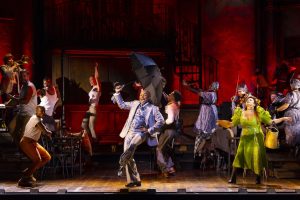
When I walked into the theatres to see Hadestown, I knew almost nothing about it. Two hours later, I left feeling both enchanted and confused, in the best way. This isn’t your average musical. It’s moody, metaphorical, and laced with meaning I couldn’t stop thinking about. So I did what any woman with a Wi-Fi connection and questions would do: I unpacked it.
So, let’s talk about what Hadestown is actually about, its plot, deeper themes, and the real reason it hits so hard.
In This Post
What is the story of Hadestown?
At its core, Hadestown is a retelling of the age-old Greek myth of Orpheus and Eurydice. But to label it just that would be an injustice. The narrative, while rooted in mythology, felt eerily reminiscent of our world today.
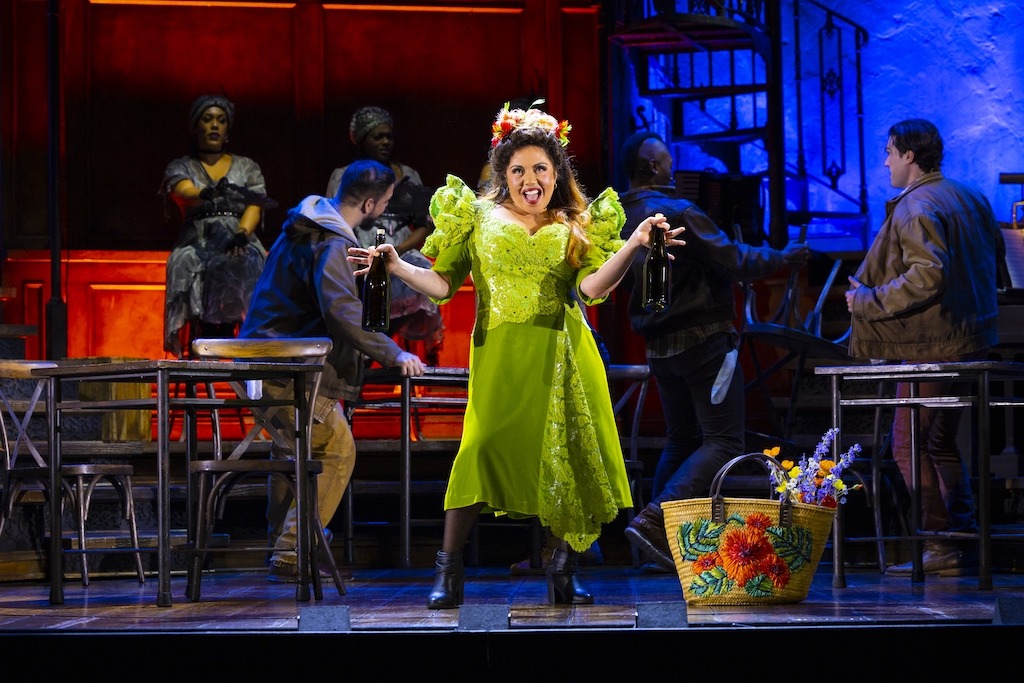
Themes of climate change and capitalism echoed in lines like, “Lover, you were gone so long… So I built a foundry… With the fossils of the dead.” And it was hard not to draw parallels with our own societal struggles when Hades, with his dictatorial vibes, sings of building walls, a not-so-subtle nod to a certain orange-hued leader of the past.
How Long Is Hadestown?
Hadestown runs about two hours and thirty minutes, including one intermission. The first act is the longer of the two, clocking in around eighty minutes, with a second act closer to fifty. Plan for a full evening out, not a quick in and out. And trust me, you will want the intermission drink, if only to sit with your feelings before the ending does what the ending does.
Who Are the Characters in Hadestown?
Hadestown runs on a small cast, and every one of them earns their place. Here is who you are watching.
- Orpheus: the dreamer and musician who believes his song can fix a broken world. Gifted, hopeful, and his own worst enemy.
- Eurydice: the realist, hungry and tired of being cold, who makes a hard choice out of desperation rather than weakness.
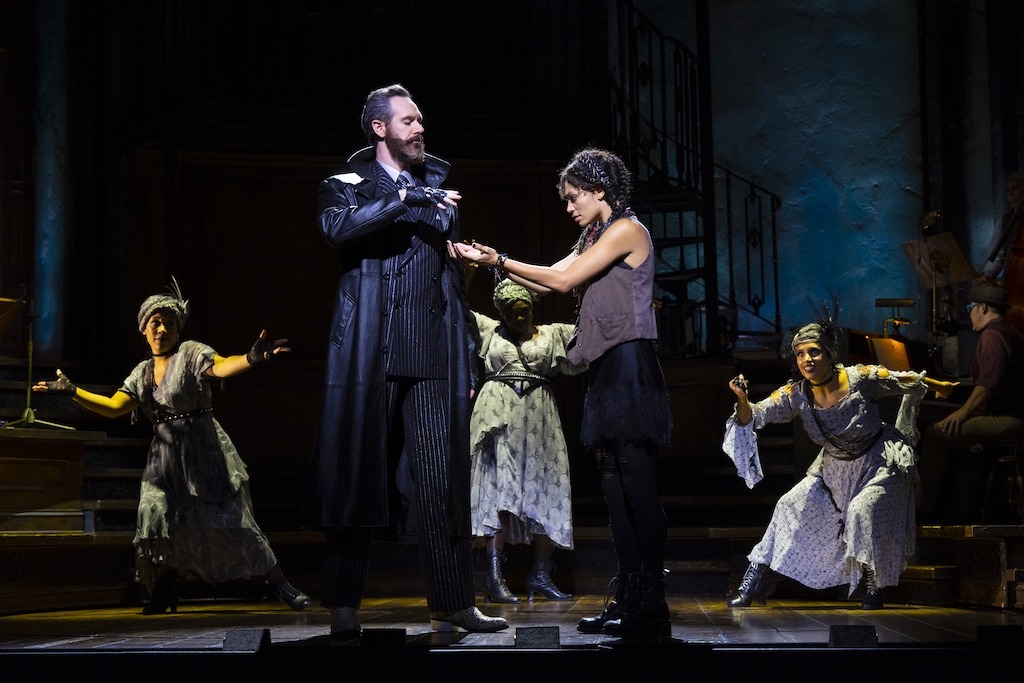
- Hades: king of the underworld, factory boss, wall builder. A tyrant with a love story buried somewhere underneath the coal.
- Persephone: goddess of spring, forced to spend half the year below. The life of the party when she is up top, and quietly heartbroken when she is not.
- Hermes: the narrator and messenger god who guides both the lovers and the audience, and delivers the line that turns the whole tragedy on its head.
- The Fates: three voices who trail the characters, needling their doubts and singing the parts nobody wants to hear out loud.
The Music of Hadestown
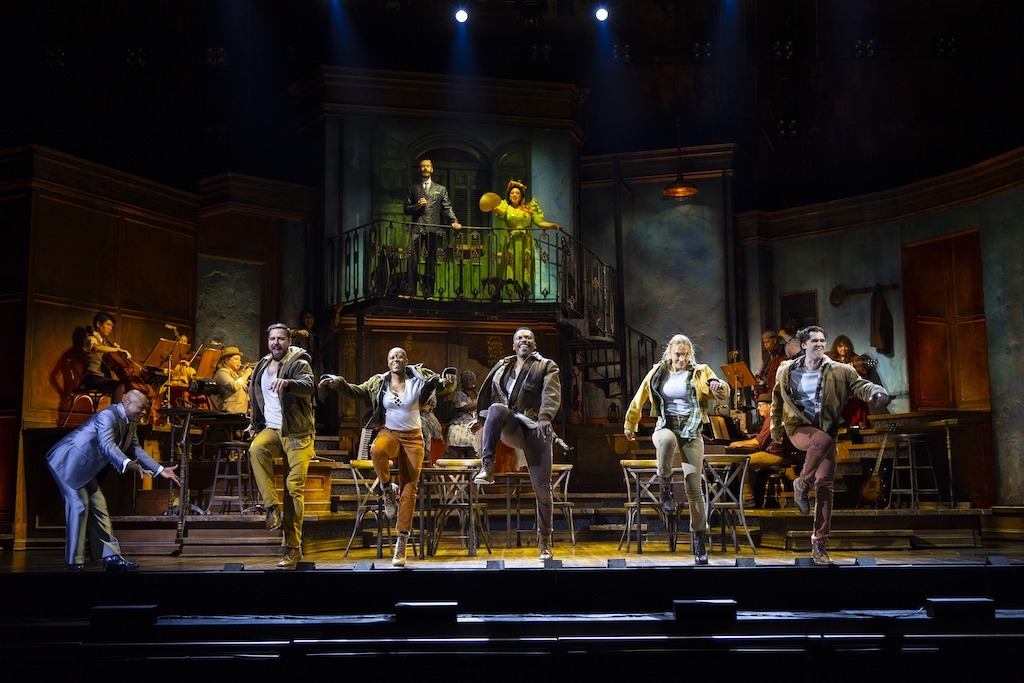
Of course, the musical score of Hadestown deserves a special mention. A harmonious blend of rhythm and blues, it’s nothing short of intoxicating. The melodies sway you, move you, and before you know it, you’re lost in its rhythm, much like Orpheus’ enchanting lyre.
How Does Hadestown End?
Hadestown ends the way the myth always ends: Orpheus looks back, and Eurydice is lost.
He has followed Hades’ one condition almost perfectly. He leads Eurydice up from the underworld, her hand in his, and he nearly makes it. But doubt creeps in. He cannot hear her footsteps. He cannot feel her presence behind him. He turns to check, just once, and in that single moment of doubt, she is gone.
It is devastating. It is also inevitable. The show has been telling you from the first song that this is a sad story, that it doesn’t have a happy ending, that we know how it ends and we tell it anyway.
What lifts the ending from tragedy to something stranger and more hopeful is Hermes. He turns to the audience and says this is the story of how it happened, and will happen again, and again, and how we tell it again and again, because it matters. Because the telling is the point. The story doesn’t save Orpheus and Eurydice. But it saves something. Maybe us.
That’s the ending. That’s the whole thing.
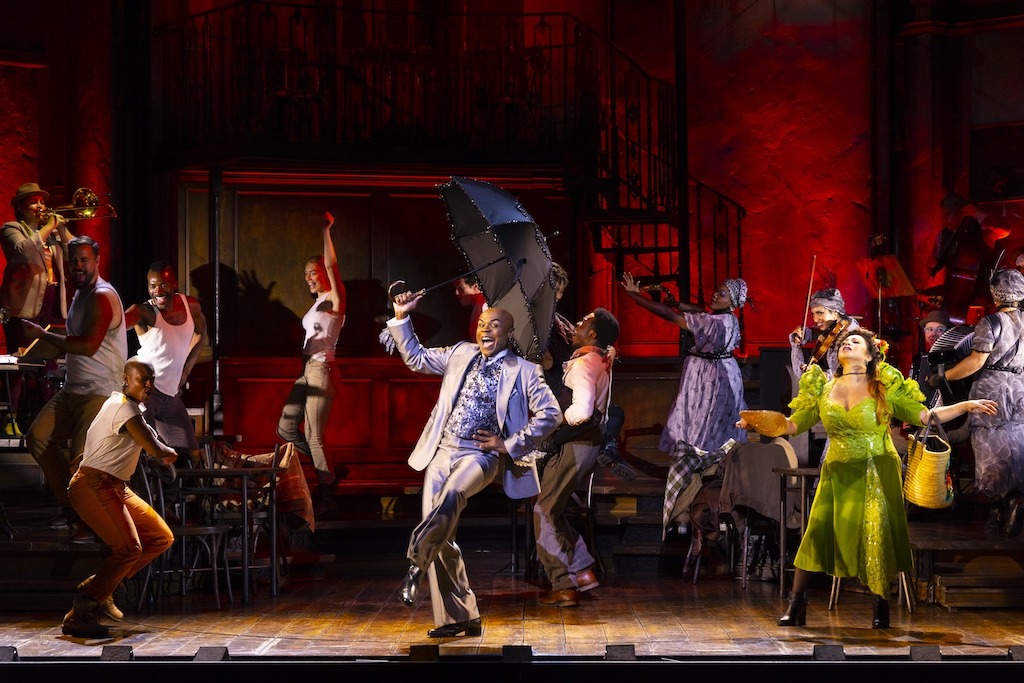
Why Hadestown Resonates So Deeply
I suspect part of the reason Hadestown has endured and captivated audiences around the world, is that depending on the person watching it, the message delivered will be different. For me, the dynamics between Hades and Persephone tugged at my heartstrings. Their relationship, once filled with passion and love, now seemed to be a mere shadow of its former self, highlighting the complexities of relationships and the bitterness that can seep into unions that once thrived on love.
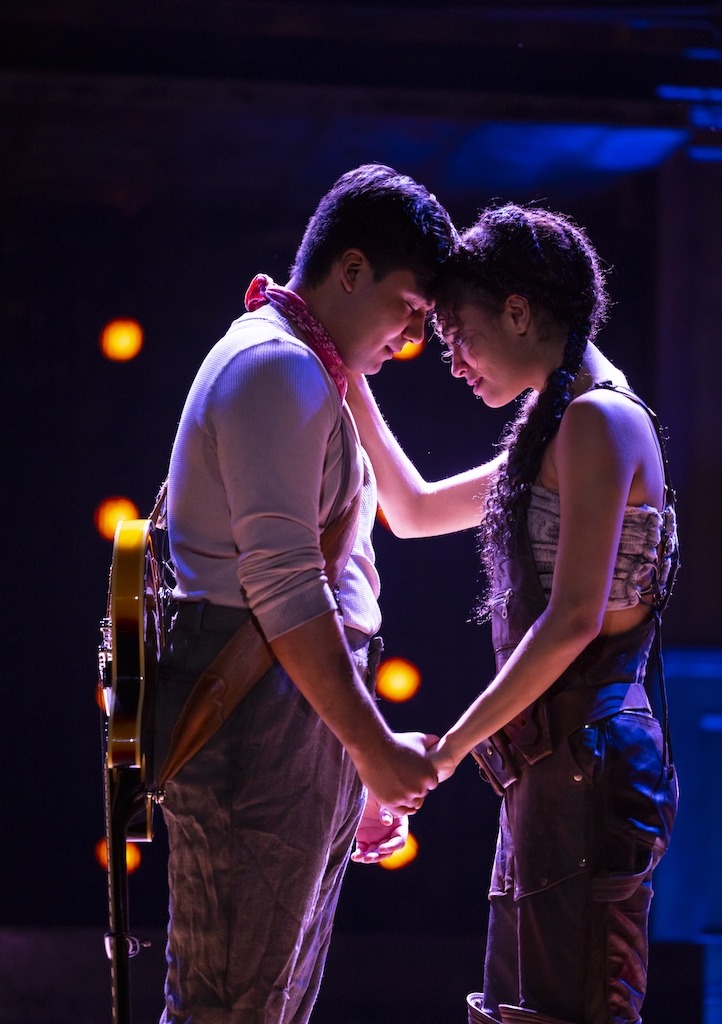
Then there’s Orpheus and Eurydice, the star-crossed lovers. Their tale, while tragic, is a testament to the power of love and the lengths one would go to for it. Yet, it also embodies the insecurities that even the most passionate love stories aren’t immune to. Their journey, filled with hope, despair, and longing, is one that resonates with many, reminding us of the fragility of love and the external forces that often test it. And damn you Orpheus, why did you have to look back?
A Story That Feels Uncomfortably Familiar Today
But what struck me the most was the universality of its message. The tale, though ancient, felt so… now. It’s a testament to the fact that while times change, the essence of humanity, our fears, desires, and battles, remain constant. Hadestown serves as a mirror. It reflects our world, our struggles, our joys, and our fears. It’s a reminder of the cyclical nature of life, of history repeating itself, of the age-old battles that continue to rage on.
What Does the Flower Symbolize in Hadestown?
The red rose is one of the most persistent images in Hadestown, and it belongs to Persephone. She is the goddess of spring, the one who brings life and colour to the world above, and the rose is her symbol: beautiful, fragile, seasonal, and stubbornly alive even in the depths of winter.
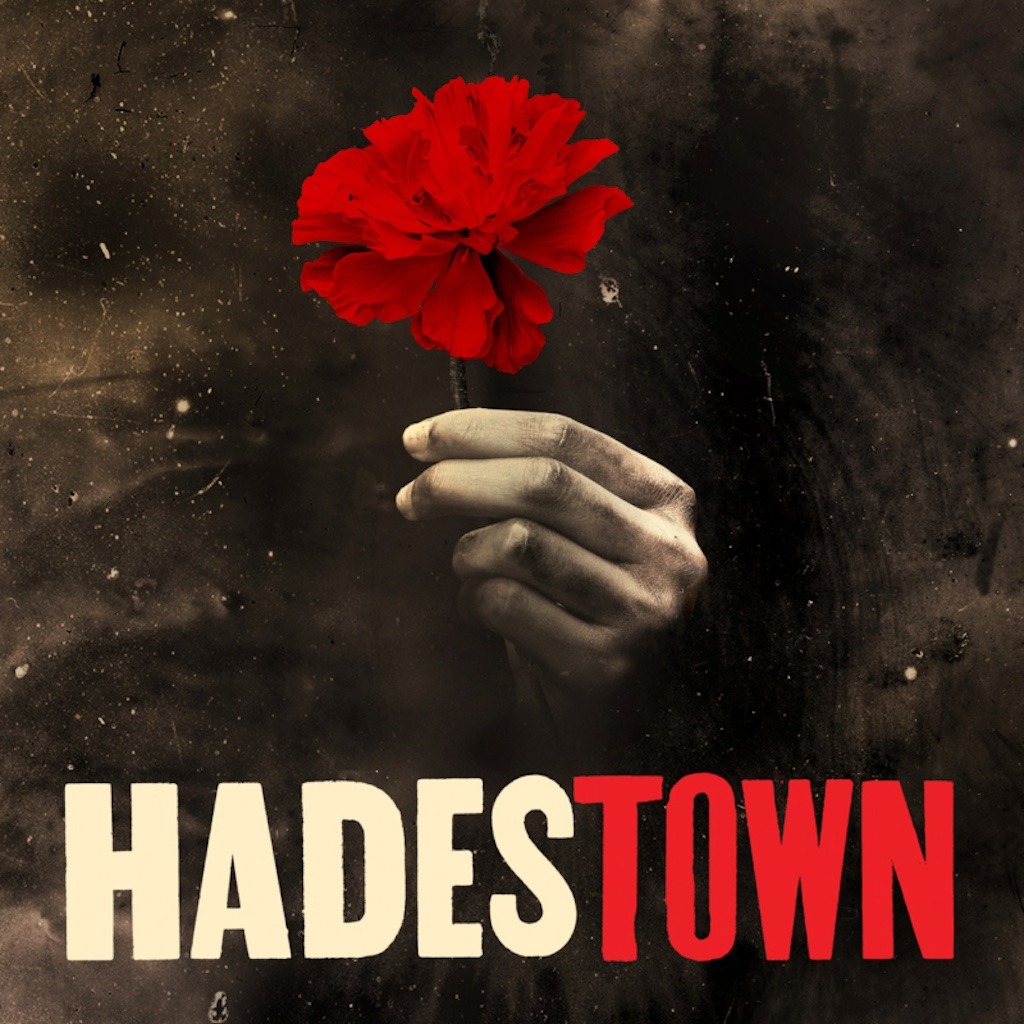
In Hadestown, the rose represents everything Hades has tried to extinguish. He has built walls, hoarded coal, turned the seasons against the earth. And still the rose exists. Still Persephone carries it. Still spring comes, however briefly.
It also functions as a memory object. When Persephone holds the rose in the underworld, she is holding the world above, the world she came from, the world Hades has kept her from. It is hope made visible. Which is probably why it appears on the poster.
In conclusion, Hadestown is not just a musical; it’s an experience, a journey that compels introspection. It’s a masterful blend of storytelling, music, and performance that leaves an indelible mark on the soul. Look for Hadestown playing in your city or get yourself to Broadway because this is one show you wouldn’t want to miss. Trust me, you’ll be thinking about it long after the final bow, and perhaps, like me, you’ll find yourself delving into the rich tapestry of Greek myths, seeking answers, seeking reflections.

Common Questions About Hadestown
Hadestown retells the Greek myth of Orpheus and Eurydice, but with a dark, bluesy twist. Orpheus is a dreamer and musician who believes his song can change the world. Eurydice is a realist, worn down by poverty and hardship. When she descends into Hadestown, a dystopian underworld run by a tyrant named Hades, Orpheus sets out to rescue her. But the myth’s infamous catch remains: he must lead her out without looking back.
Hadestown explores the cost of hope, the danger of doubt, and the power of storytelling. It’s about love and loss, yes, but also about the systems that trap us: capitalism, climate crisis, authoritarianism. The musical asks what it means to keep telling the same story, even when the ending doesn’t change. In a world that feels broken, it argues that retelling the story is resistance.
It’s not just the music (which slaps) or the visuals (which are stunning), Hadestown connects because it feels current. It blends timeless mythology with modern anxieties. Whether you’re mourning lost love, feeling hopeless about the future, or trying to make sense of late-stage capitalism, there’s something in Hadestown that hits home.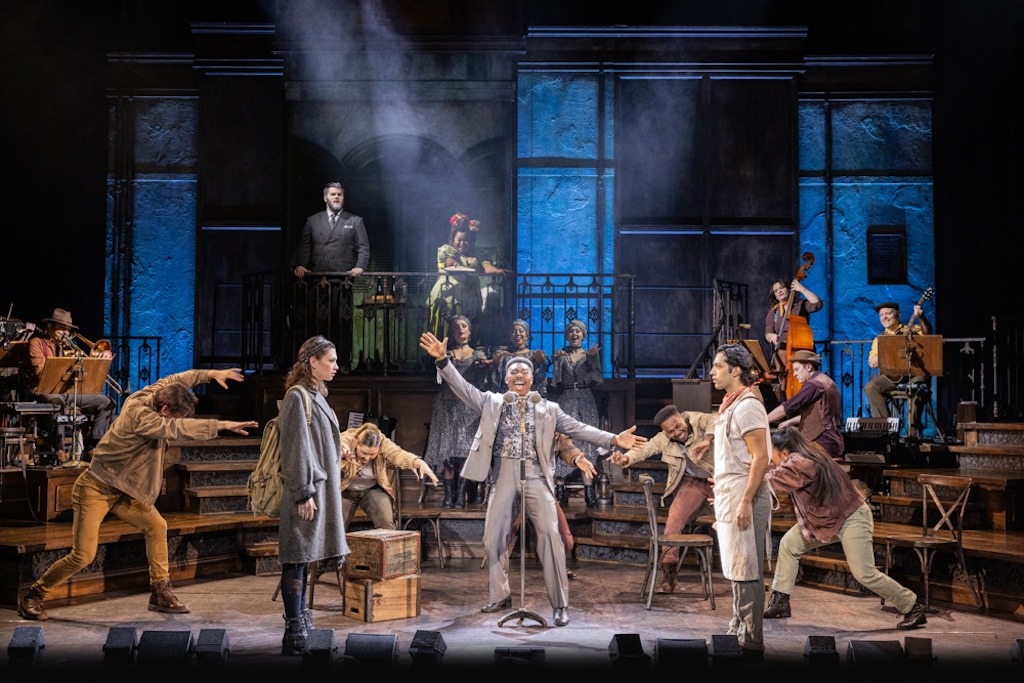
The tragedy is twofold: Eurydice’s descent into Hadestown out of desperation, and Orpheus’ failure to trust that love is enough. His one moment of doubt costs them everything. But it’s not hopeless, the show ends by reminding us that telling the story again, and again, and again is its own kind of defiance.
Absolutely. Hades runs a factory where workers toil endlessly behind a wall meant to “keep out the enemy.” The enemy, as Persephone bitterly points out, is already inside. Eurydice’s poverty forces her into Hadestown, echoing how vulnerable people are often exploited by those in power. It’s no coincidence that Hades sings about fossil fuels and building an empire.
Hadestown runs about two hours and thirty minutes, including one intermission. The first act runs around eighty minutes and the second act closer to fifty.
Hadestown blends rhythm and blues with folk and jazz, an intoxicating, soulful score that carries the story as much as the dialogue does.
Love Musicals That Break the Mold?
If Hadestown hit you in the feels, wait until you meet the queens. Six the Musical is another genre-breaking show that’s rewriting the rules, and history.
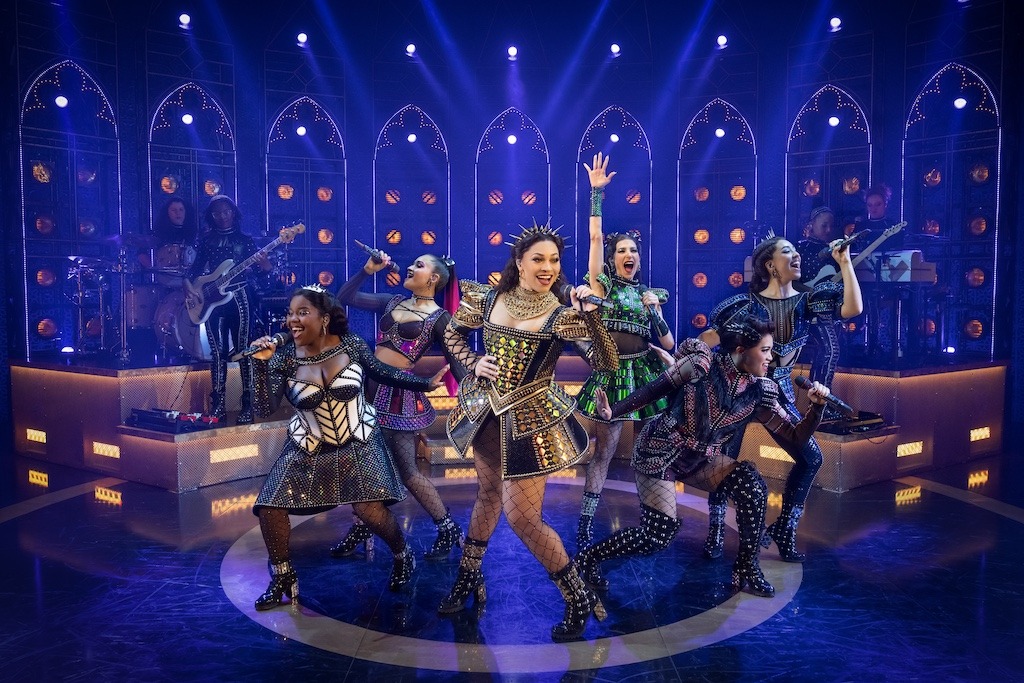
Disclosure: Thank you to Broadway Across Canada for inviting me to come review their show. All thoughts and opinions expressed are mine. Images provided by Broadway Across Canada
Post updated July 7, 2026
 The Mrs. Roper Comeback Is Real — and Women Are Here for Every Caftan-Covered Second of It
