I need to tell you something really embarrassing. I stepped off the plane in Ireland with a leprechaun hat in my carry-on. I cringe now sharing that, but I want you to know that I thought I was being charming. Festive. A good sport. Knowing what to read, what to watch, and what to listen to before visiting Ireland had not even crossed my mind. Because of this, I was about to commit a fairly spectacular piece of cultural ignorance, and I was only saved from wearing it in public by our guide Dee, who took one look at it and quietly explained that leprechaun iconography is, in Ireland, about as welcome as an American arriving in Canada and joking that we’re the 51st state.
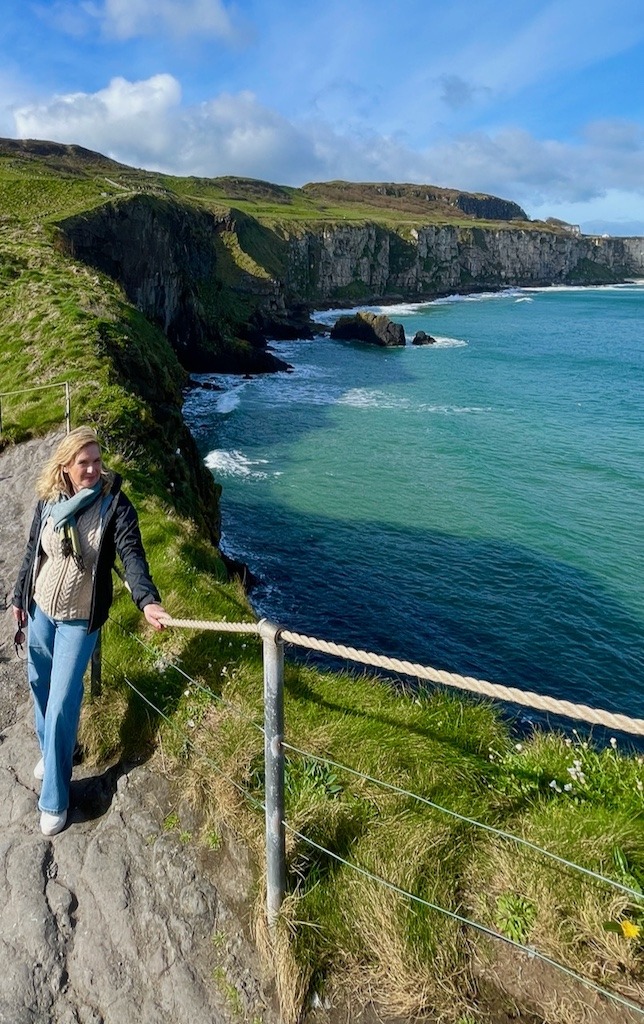
The leprechaun is a caricature invented largely for export, a way that Ireland got packaged and sold to the diaspora and to tourists, and it lands on actual Irish people the way most flattening stereotypes land: with a kind of weary, polite resignation. I stuffed the hat into my suitcase in the parking lot of the airport. It never came out again. I’d like to say I threw it away, but honestly it made the whole trip home under a pile of dirty laundry, which felt appropriate.
I went to Ireland knowing the postcard version. What I found was so much bigger, stranger, sadder, and funnier than that, and I’ve been thinking ever since about what I wish I’d known before I got on the plane. So consider this your cultural homework: what to read, what to watch, and what to listen to before visiting Ireland, from someone who learned the hard way that a leprechaun hat is not a personality.
Two things you need to know before anything else
History is written by the victor, and the victor will paint their victory in a self-righteous light every single time. I grew up in Canada, a colony of the United Kingdom, and for years I was taught about the potato famine without ever once questioning what I was reading. To be fair, I was a kid with other things on my mind, but the truth is I was spoon-fed a sanitized version of events and simply accepted it.
I’m doing that work now. Just as I’ve been peeling back the deeply upsetting layers of Canadian history, the residential schools, the generational devastation visited on Indigenous peoples, the policies that were deliberate and not accidental, I’m recognizing that this pattern repeats itself in countries around the world that were colonized. It’s both freeing and disturbing at the same time. Freeing because the truth, even when it’s ugly, gives you something real to stand on. Disturbing because you realize how much of what you thought you knew was curated for your comfort.
I say all of this because Ireland is one of those places where the sanitized version and the true version are very far apart, and arriving with at least some awareness of the gap will change everything about how you experience it.
Two things in particular will shape every conversation you have there, and both come down to language.
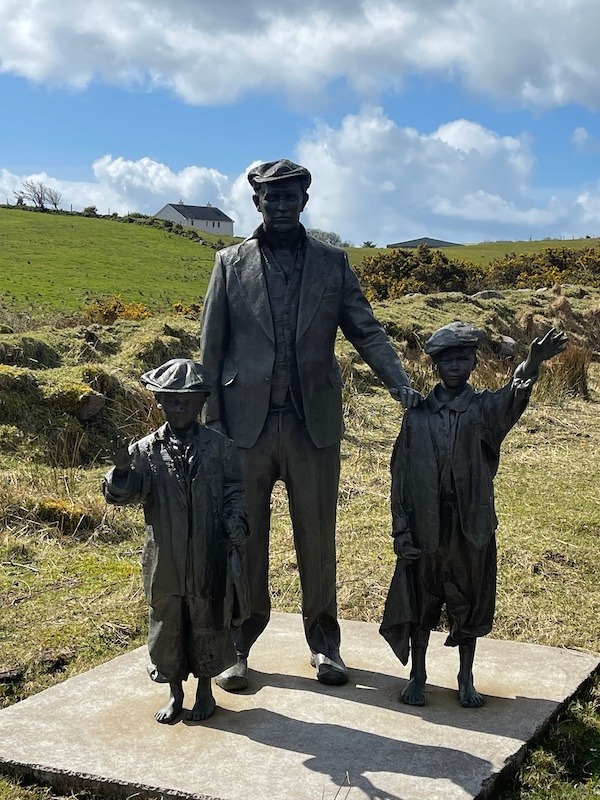
The catastrophe of 1845 to 1852 is not called the potato famine. It’s called the Great Hunger, An Gorta Mór in Irish. While blight did destroy the potato crop, food was still being exported out of Ireland throughout those years. Over a million people died. Another million emigrated. The policies that allowed it to happen were not accidental, and many historians, and many Irish people, consider it a genocide. You’ll encounter Famine memorials all over the country, and knowing what you’re actually looking at changes the experience entirely.
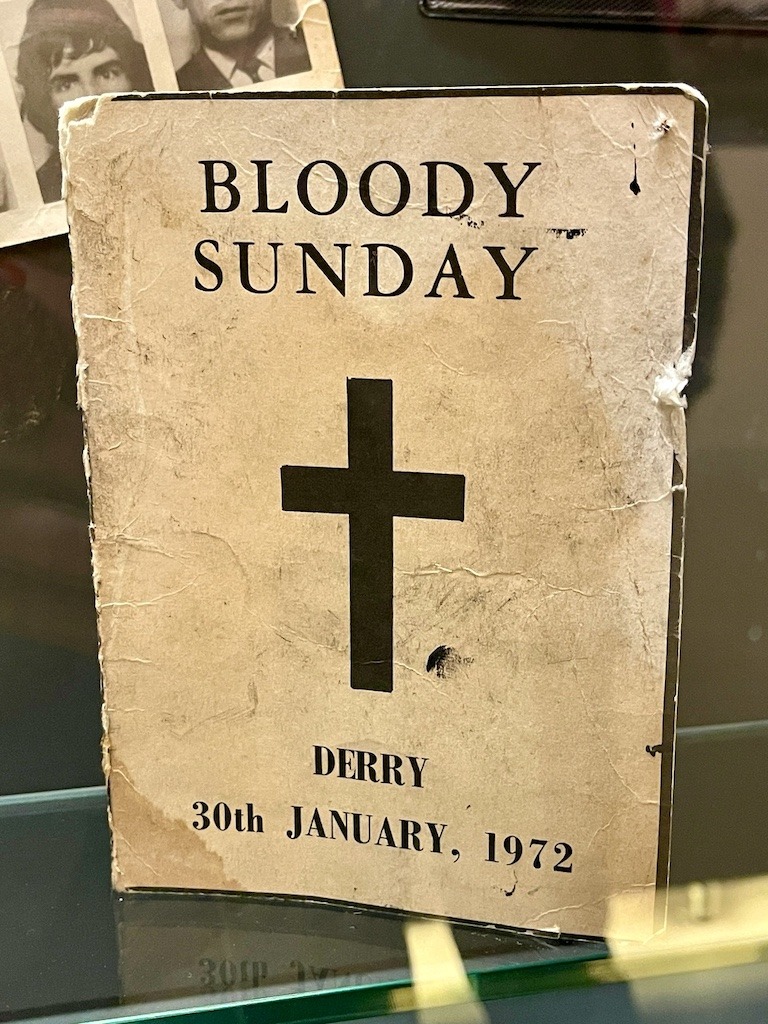
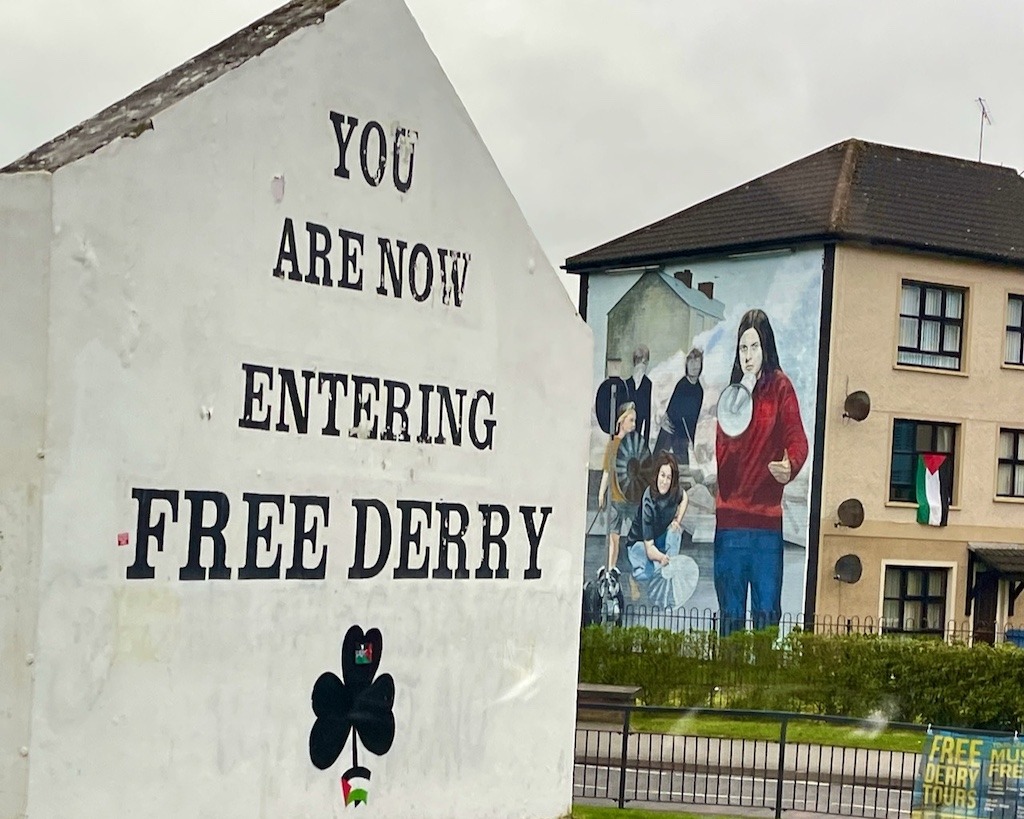
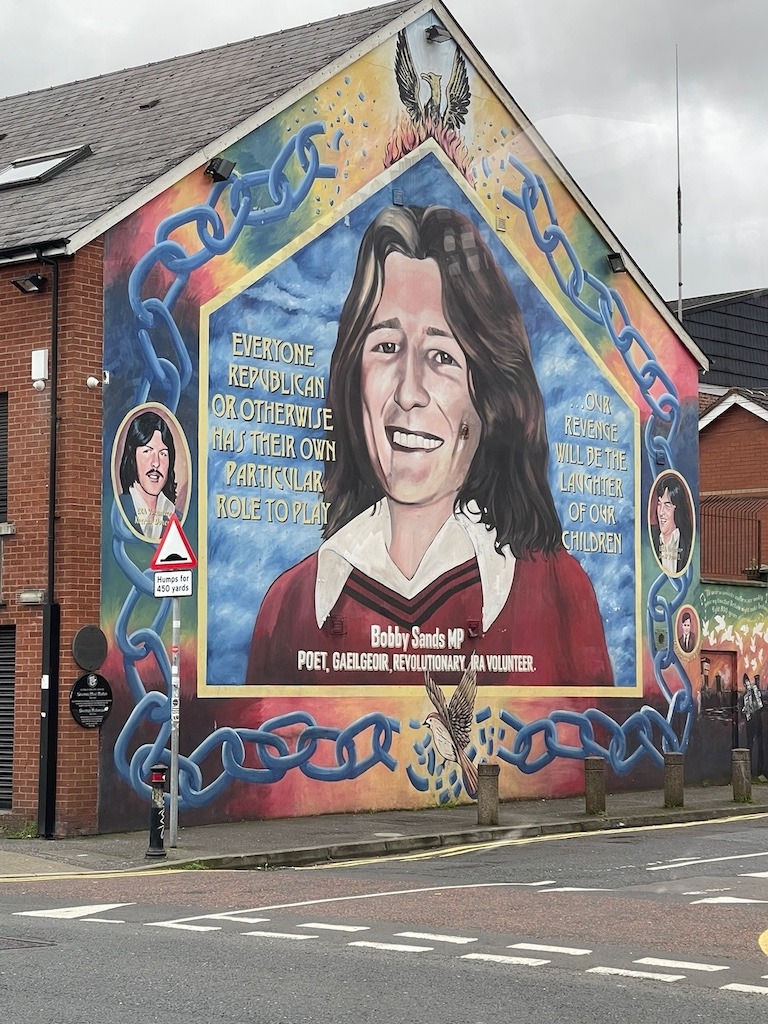
The second thing: Ireland is not all one political unit. The Republic of Ireland occupies most of the island. Northern Ireland, which includes cities like Belfast and Derry, is part of the United Kingdom. The conflict between communities there, known as the Troubles, ran from the late 1960s until the Good Friday Agreement was signed on April 10, 1998. That’s not ancient history. That’s within living memory for most adults you’ll meet. The peace is real, but it’s young, and the murals, the walls, and the divided neighbourhoods are still there. Know the shape of what happened before you stand in front of them.
One more thing: don’t describe the whole island as part of the United Kingdom when you’re in the Republic. It’s an error Irish people find genuinely offensive, and it’s entirely avoidable. All of this is part of what to read, watch and listen to before visiting Ireland: not just the films and the books, but the language itself.
Films and TV to watch before you go to Ireland
Derry Girls (Netflix)
I’m going to tell you to watch this show twice, because once is definitely not enough.
Watch it before you go. Then watch it again when you get home.
The first time, you’ll enjoy it for exactly what it presents itself as: a very funny coming-of-age comedy about four teenage girls and one very unfortunate English boy named James, navigating Catholic school in 1990s Derry. Creator Lisa McGee based it on her own childhood, and it shows. The specificity of it, the family dynamics, the school, the petty dramas, the slang, is so real it will make you cringe sometimes thinking of your own high school experience.
But here’s the thing about Derry Girls that you won’t fully understand until you’ve actually been to Derry: the Troubles are always in the background. Checkpoints. Bomb scares. Soldiers. The girls treat all of it as normal because for them it was normal, and that tension between the absurd mundanity of their lives and the genuine violence happening around them is exactly what makes the show extraordinary. McGee captures something true about how people actually survive history: badly, mostly, with a lot of crisps and a level of denial that in hindsight looks a lot like resilience.
When you walk Derry’s walls, when you stand at the murals in the Bogside, when you look across to the Waterside, you’ll feel the show differently. The final episode, which I won’t spoil, is set around the 1998 Good Friday Agreement referendum. The first time you watch it, it’s moving. The second time, standing on the other side of actually being in that city, it might break your heart a little.
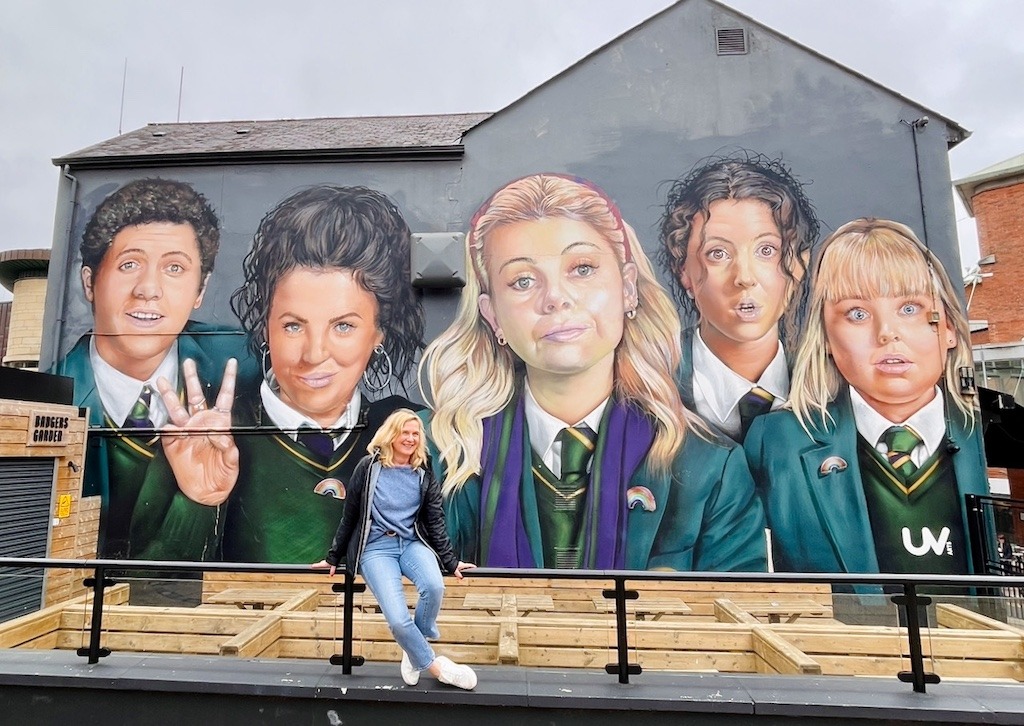
Go to Derry. It is one of the most underestimated and fascinating places in Ireland, full of history that is still being reckoned with. There’s a Derry Girls mural on Orchard Street that’s become something of a pilgrimage spot, and you’ll want to find it. Watch the show twice. Trust me on this.
The Wind That Shakes the Barley (2006)
Ken Loach’s Palme d’Or winner follows two brothers during the Irish War of Independence and the brutal civil war that followed. It’s not easy viewing, but it contextualizes so much of what you’ll see and hear across the country, particularly in the west and south. Watch this before you go, not after.
Michael Collins (1996)
Neil Jordan’s biopic starring Liam Neeson covers the Irish revolutionary movement, the 1916 Easter Rising, and the Treaty negotiations that ultimately split the country. Dramatically satisfying and historically useful, even where liberties are taken with the facts.
Brooklyn (2015)
Based on Colm Tóibín’s novel, Brooklyn follows a young Irish woman who emigrates to New York in the 1950s and finds herself caught between two lives. Saoirse Ronan is extraordinary, and the Ireland she leaves behind tells you something true about why so many millions of people had to go, and what it cost them.
Once (2007)
If you’re going to Dublin, watch Once first. Shot almost entirely on the streets of the city, including Grafton Street where Glen Hansard’s character busks, it’s a small, beautiful film about two musicians and the city itself. Then go find a pub session, ideally one that doesn’t advertise itself as a tourist attraction, and just listen.
The Banshees of Inisherin (2022)
Set on a fictional island off the Irish coast in 1923, during the Civil War, this Martin McDonagh film is about a friendship that ends for no good reason and what that does to two men and a community. Dark, and very funny in that specific Irish way. Filmed on Achill Island and Inis Mór, and the landscape alone is worth the watch.
Leap Year (2010)
Yes, it’s a rom-com. No, I’m not embarrassed. Amy Adams treks across Ireland to propose to her boyfriend on February 29th and ends up falling for a grumpy innkeeper played by Matthew Goode. What it lacks in historical weight it makes up for in gorgeous location filming through Dingle, Clifden, and the Connemara countryside. Consider it orientation.
Irish Wish (2024)
Lindsay Lohan filmed this one in and around Westport, one of the loveliest towns on the Wild Atlantic Way in County Mayo. If Westport is on your itinerary, you’ll get a genuine kick out of recognizing the locations.
Game of Thrones (HBO)
If you’re spending time in Northern Ireland, this is essentially required viewing. The Dark Hedges, that atmospheric tunnel of ancient beech trees in County Antrim, served as the Kingsroad. Castle Ward in County Down stood in for Winterfell. The Cushendun Caves on the Antrim Coast appear in several scenes as well. Dedicated Game of Thrones location tours run throughout Northern Ireland, and knowing the show makes them considerably more fun.
One thing worth knowing before you go: the Dark Hedges are not what they once were. The trees are approaching 250 years old and are coming to the end of their natural lives. Storm Isha in January 2024 and Storm Eowyn in January 2025 both caused damage, and 13 trees have been lost since November 2023. Approximately 80 now remain of the original 150. The site is still worth visiting and still beautiful, but temper your expectations against the photographs you’ve seen online. Those images are from a fuller canopy than the one that exists today, and that gap is only going to grow.
Books to read before you go to Ireland
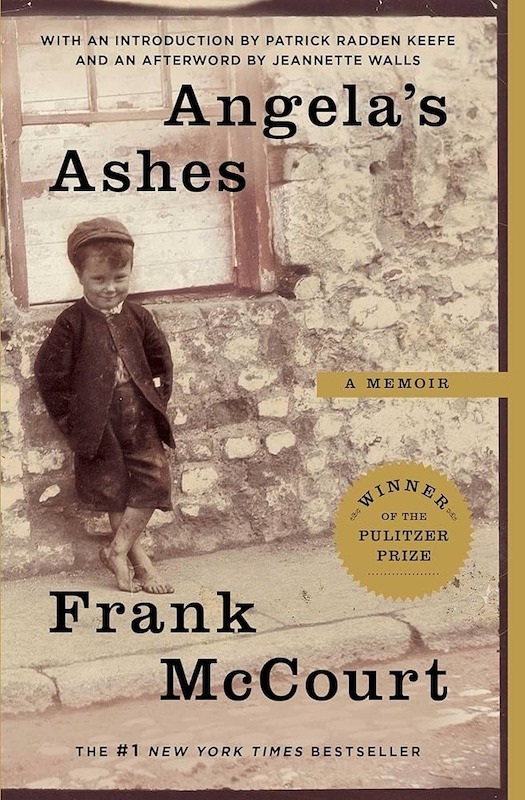
Angela’s Ashes by Frank McCourt
McCourt’s Pulitzer Prize-winning memoir about growing up desperately poor in Limerick in the 1930s and 40s is one of the most vivid accounts of Irish working-class life ever written. It’s bleak and it’s brilliant and it will make you order another round out of sheer gratitude for your own circumstances.
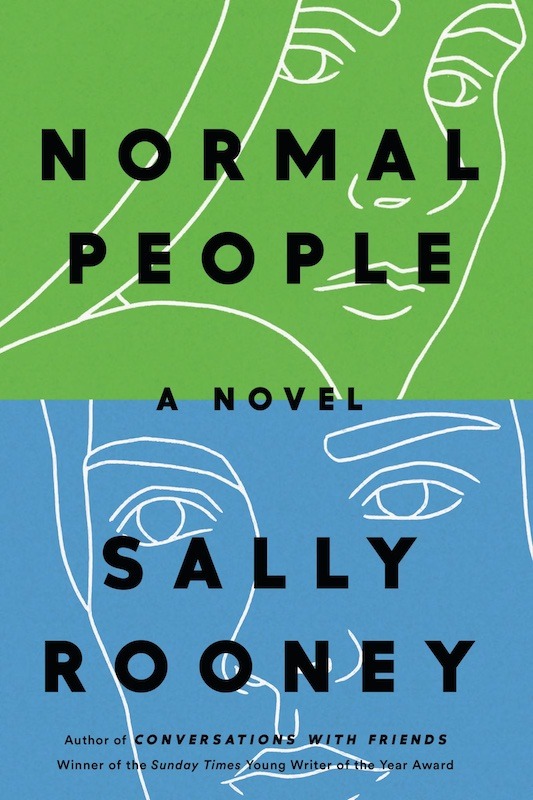
Normal People by Sally Rooney
The best entry point into contemporary Irish life I can recommend. Rooney’s novel about two young people from Connacht who keep finding and losing each other is the Ireland of today: complicated, self-aware, and not quite the Ireland of the postcards. The television adaptation is also worth watching.
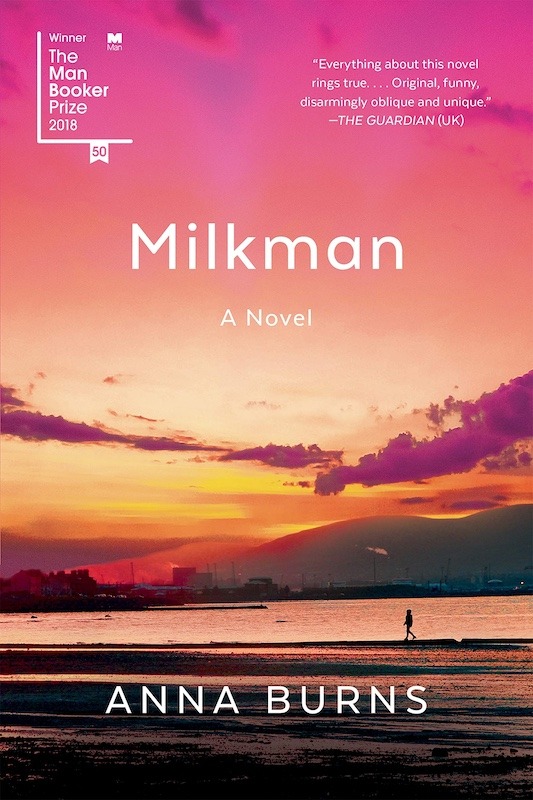
Milkman by Anna Burns
Winner of the Booker Prize, set during the Troubles in an unnamed Northern Irish city (clearly Belfast), narrated by an eighteen-year-old woman being stalked by a paramilitary figure. Burns’ voice is extraordinary and unlike anything else. The Irish Times named it the best Irish fiction of the 21st century. If you want to understand what daily life felt like in Belfast during the worst years, read this.
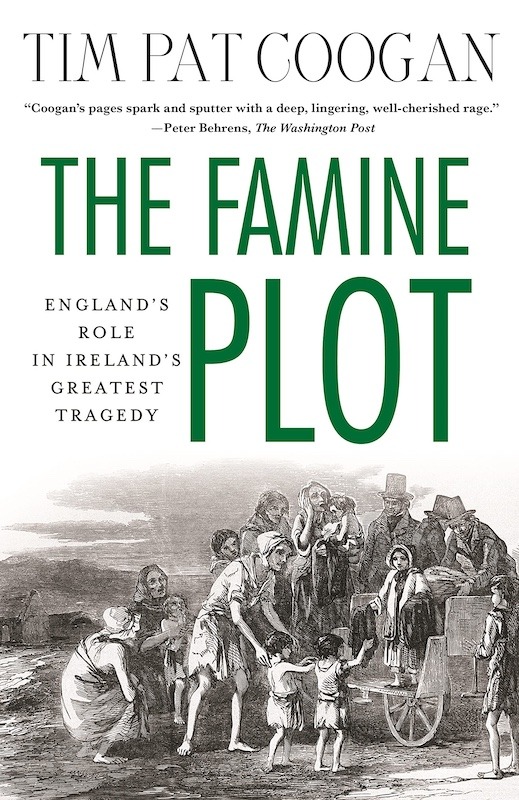
The Famine Plot by Tim Pat Coogan
This is the book that will make you stop calling it the potato famine. Coogan argues directly and compellingly for the genocide reading of the Great Hunger. It’s accessible history, not academic, and it will change how you stand in front of every Famine memorial you encounter. There are a lot of them.
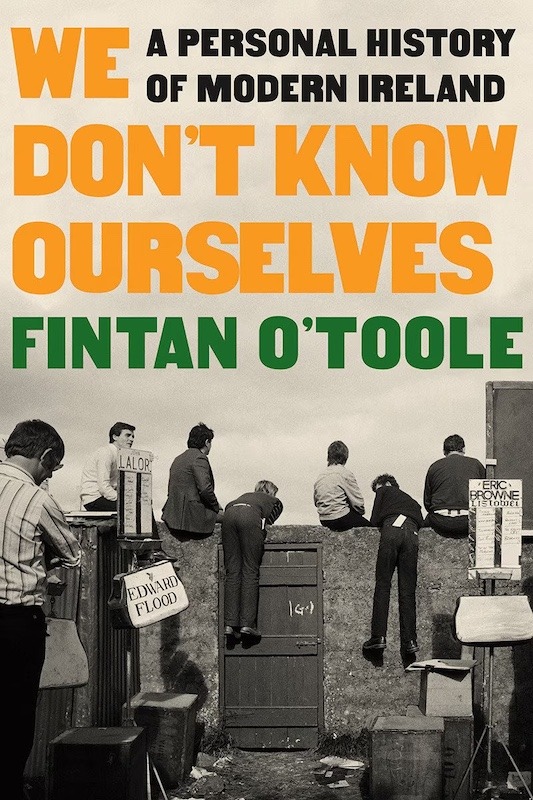
We Don’t Know Ourselves: A Personal History of Modern Ireland by Fintan O’Toole
If you only read one history book before you go, make it this one. O’Toole traces Ireland’s transformation from the 1950s to the present day through his own life story, which sounds like an unusual structure until you realize it’s exactly the right one. He was born the same year as the Irish Republic itself, and his personal history runs parallel to the country’s: the stranglehold of the Church, the economic collapse, the Celtic Tiger boom, the crash, the slow reckoning with who Ireland actually is versus who it was told it was. It’s sharp, often funny, and one of the most illuminating books about a modern nation I’ve read. You’ll arrive understanding not just what happened in Ireland, but why the country is still figuring out what it thinks of itself.
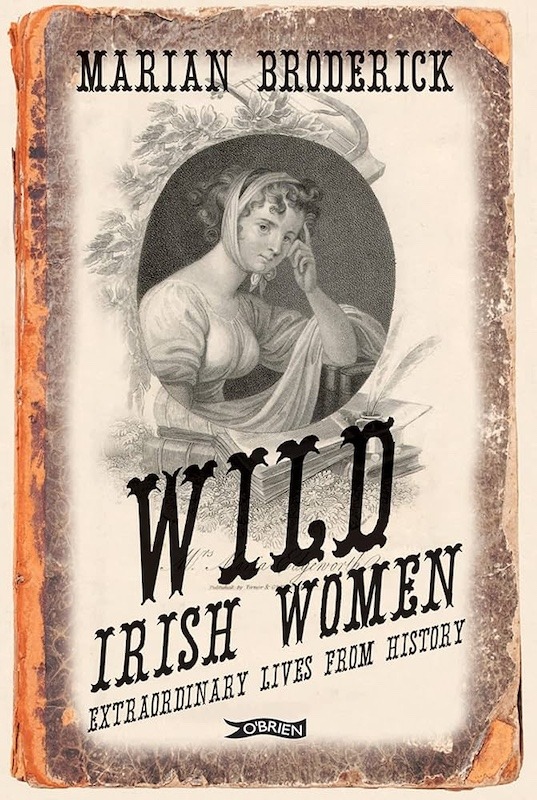
Wild Irish Women: Extraordinary Lives from History by Marian Broderick
This one is particularly worth having if you’re travelling as a woman and wondering where your people fit into all of this history. Broderick profiles 75 Irish women, patriots, pirates, warriors, writers, politicians, and a few genuine eccentrics, who were doing remarkable things in eras that expected nothing of them at all. It’s organized into short biographies so you can read it in chunks on the plane, and it will send you down more than a few rabbit holes once you land. Essential context for a country whose female history has been quietly overlooked for far too long.
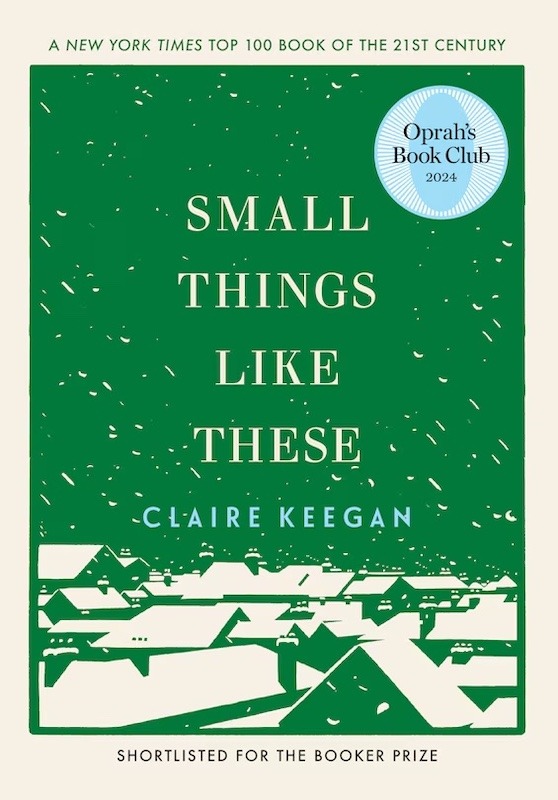
Small Things Like These by Claire Keegan
Short, precise, and devastating. Set in a small Irish town in the 1980s and centred on the Magdalene Laundries, institutions where unmarried mothers and their children were essentially imprisoned by the Church. The film adaptation, starring Cillian Murphy, was shot in New Ross, County Wexford. It’s a slim book you can read in a single sitting, and it will stay with you considerably longer than that.
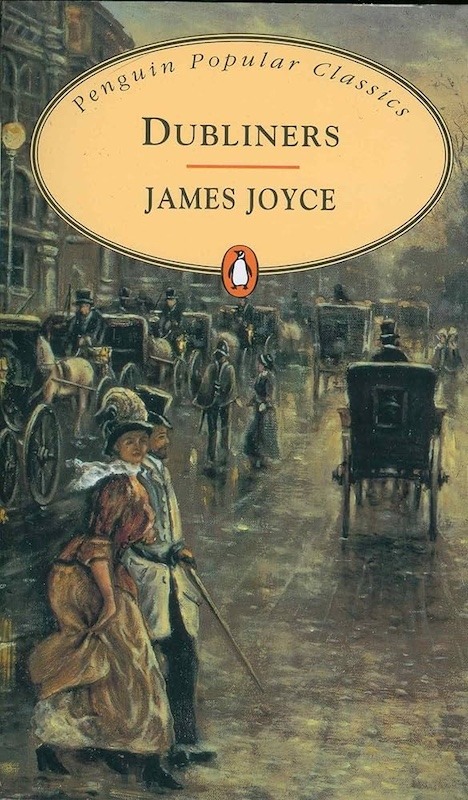
Dubliners by James Joyce
The most approachable Joyce by a considerable margin: a collection of short stories set in early 20th-century Dublin, as sharp and true about human nature as anything written in the last century. Read “The Dead” before you go. Read it again when you get home.
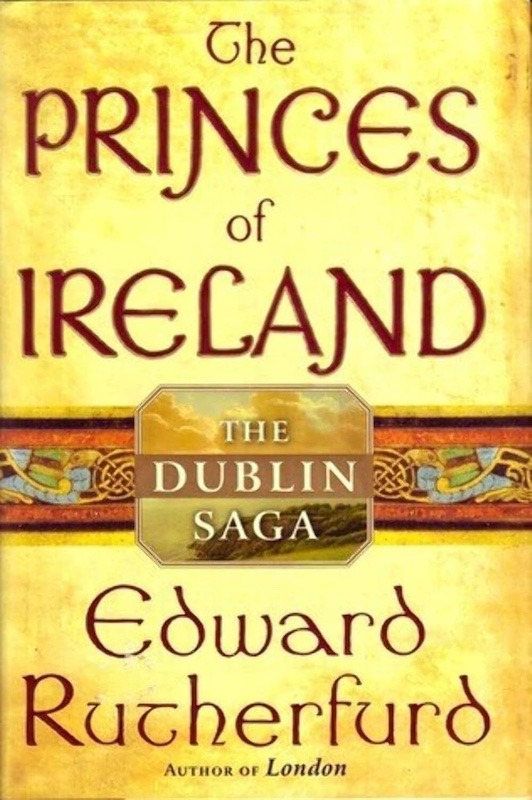
The Princes of Ireland by Edward Rutherfurd
Fellow Pillars of the Earth people, this one is for us. Rutherfurd writes the same kind of sweeping multigenerational saga, fictional families moving through real historical events, meticulously researched and spanning centuries, in this case from Celtic Ireland all the way through to Henry VIII. It’s long, and Rutherfurd is more encyclopedic in pace than Ken Follett, so go in knowing it rewards patience rather than urgency. But you’ll arrive in Ireland knowing the full shape of the story, which is exactly the point.
Podcasts and music to listen to before you go
Three Castles Burning
Hosted by Donal Fallon, this podcast tells the social history of Dublin through its streets, buildings, and forgotten stories. Each episode gives you a reason to look up at a building you’d otherwise walk past. Episodes are short enough to get through a stack of them on a long flight, and Fallon is a natural storyteller.
Irish History Podcast
Hosted by Fin Dwyer, with over 400 episodes covering everything from the Vikings to the Troubles. Pick the topics most relevant to where you’re going. Average episodes run about 29 minutes, which makes them perfect for a long drive or a treadmill session in the weeks before you leave.
Unreal: Irish Folklore
Each episode searches for the origins of Ireland’s most famous myths and folklore, taking a fresh look at legends and history that have become almost forgotten over the centuries. If you want to understand why certain places feel the way they do in Ireland, why the landscape carries weight it doesn’t quite explain, this is the one to start with.
Traveling in Ireland with Jody Halsted
More practical than historical. Halsted interviews locals about their regions, covering where to go, what to do, and how to move through the country without spending all your time in tourist traps. Good for the specifics once you know where you’re headed.
A note on music
Honestly, this would really should be a whole other article. Ireland has a living traditional music culture that is not a performance put on for tourists. It’s real, and it’s everywhere, and it will be better if you know what you’re hearing before you sit down in front of it.
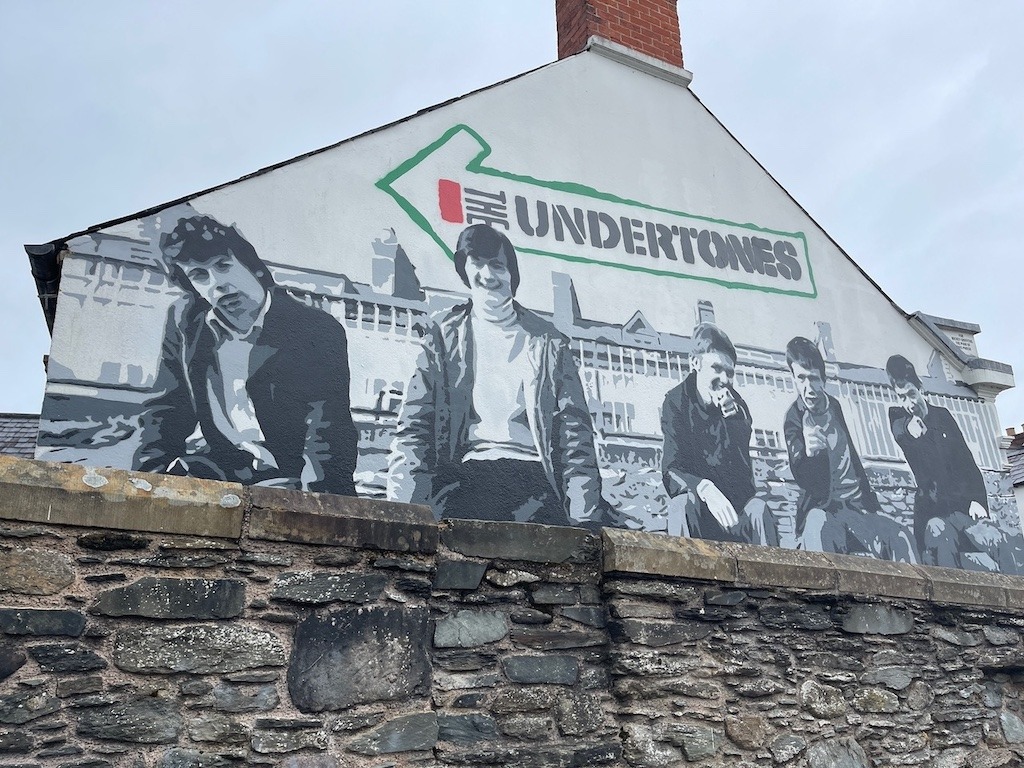
Spend some time with Christy Moore before you go. And The Pogues, messy and magnificent. Look up Luke Kelly and The Dubliners. If you want a contemporary entry point you probably already know, start with Hozier, who is from County Wicklow and whose music is soaked in Irish mythology, landscape, and a very particular kind of darkness that makes complete sense once you’ve been there. Then keep going: Lisa Hannigan, Ailbhe Reddy, and Lankum are all extraordinary. Then go find a pub session, ideally not one that advertises itself as such, and just listen. It sounds different once you’ve done the reading.
A few things nobody puts in the guidebooks
While you’re doing your homework, a few cultural notes worth having before you land.
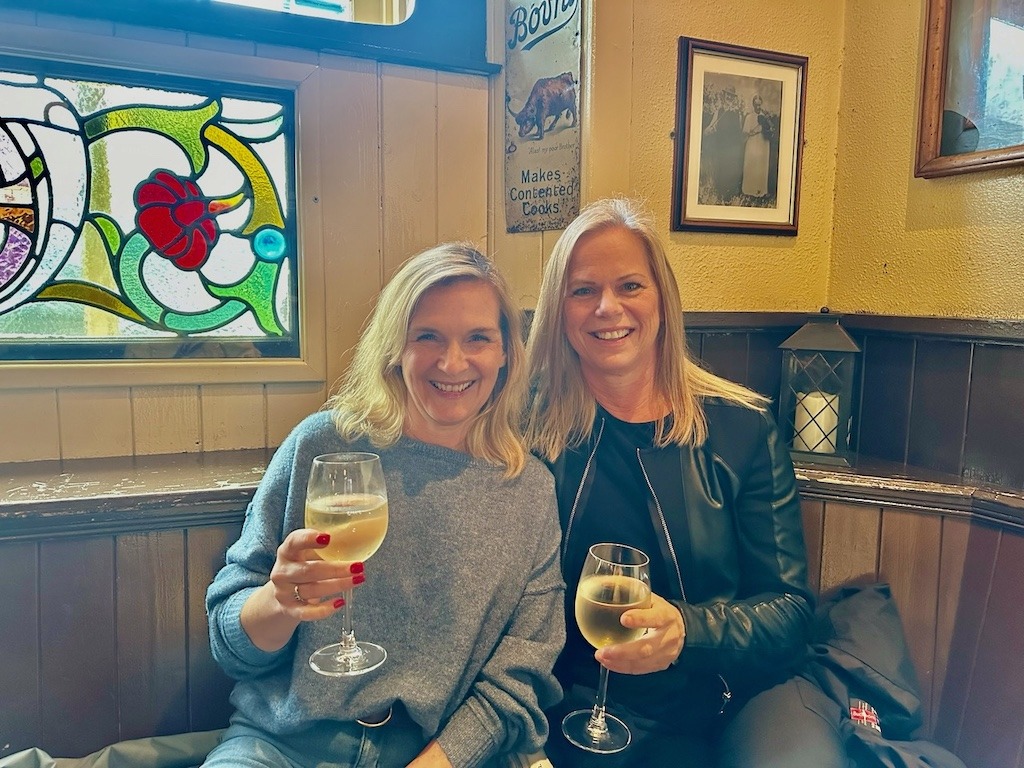
- The pub round system is real and it matters. Everyone is expected to buy a round for the group, and turning one down can read as an insult. Know this going in and participate accordingly.
- Don’t tip the bartender for pulling pints. Irish bar staff are paid a living wage, and tipping behind the bar is not expected the way it is in North America. Tipping your server at a restaurant is fine and appreciated.
- Don’t attempt a fake Irish accent. Don’t say “top of the morning.” Don’t ask for corned beef and cabbage, which is largely an American invention. And don’t bring a leprechaun hat. I cannot stress this last one enough.
- Perhaps most importantly: go slowly. The Irish are dedicated to a way of life that makes room for friends, a visit to the pub, a cup of tea, or just a bit of a chat on the corner. Rushing through Ireland is the one thing the country will quietly refuse to accommodate. Let it set the pace.
One last thing
The peace between Northern Ireland and the Republic is real, but it is not old. The Good Friday Agreement is barely a generation behind us. Border communities still carry the weight of what came before. The murals in Belfast’s Falls Road and Shankill Road are tourist attractions now, but they were painted in grief and defiance. Know enough to see them clearly.
I’ve shared everything I wish I’d known: what to read, what to watch, and what to listen to before visiting Ireland. The rest is up to you. And if you’re from Ireland and I’ve gotten something wrong, or if there’s a book, film, or podcast you’d add to this list, I genuinely want to hear it. The comments are open and I promise I will leave the leprechaun hat at home next time I visit.
Frequently Asked Questions: What to Read Watch and Listen Before Visiting Ireland
One of the most common questions from people researching what to read watch and listen before visiting Ireland is whether Derry Girls is really worth watching. Absolutely, and then watch it again when you get home. The first time you’ll enjoy it as the very funny coming-of-age comedy it is. The second time, after you’ve stood on Derry’s walls and seen the Bogside murals, it hits completely differently. Creator Lisa McGee based it on her own childhood in 1990s Derry during the Troubles, and that context changes everything about how you experience both the show and the city.
The Great Hunger, An Gorta Mór in Irish, is the correct name for what is often called the potato famine. Between 1845 and 1852, over a million people died and another million emigrated. While blight did destroy the potato crop, food was still being exported out of Ireland throughout those years. The policies that allowed this to happen were not accidental, and many historians and Irish people consider it a genocide. Arriving in Ireland knowing this distinction matters.
Yes, but temper your expectations against the photographs you’ve seen online. The beech trees, planted around 1775, are approaching the end of their natural lives. Storms Isha and Eowyn in 2024 and 2025 respectively caused significant damage, and only around 80 of the original 150 trees remain. The site is still beautiful and still worth the trip, particularly if you’re a Game of Thrones fan. Just know that you’re visiting something in the process of being lost, which is its own kind of experience.
The Good Friday Agreement was signed on April 10, 1998, and brought an end to most of the violence of the Troubles, the conflict between nationalist and unionist communities in Northern Ireland that had run since the late 1960s. It established a power-sharing government in Northern Ireland and created a framework for cross-border cooperation between Northern Ireland and the Republic of Ireland. The peace it created is real, but at barely a generation old, it is also still young.
No, and this is important to know before you go. The island of Ireland contains two separate political units. The Republic of Ireland occupies most of the island and is an independent nation. Northern Ireland is part of the United Kingdom, alongside England, Scotland, and Wales. You can travel freely between the two without border formalities, but they are distinct, and referring to the whole island as part of the UK is something Irish people find genuinely offensive.
 Why Do Women Travel in Groups? The Short and Long Answer

Leave a Reply