

Some roads are built to get you somewhere. The Cabot Trail? She is the somewhere. Looping 298 kilometres around the northern tip of Cape Breton Island in Nova Scotia, she’s no common thruway. She’s a high-maintenance thrill ride with a flair for the dramatic. To cheapen a Cabot Trail road trip by calling it a “drive” is an injustice. No, a road trip on this world-famous trail is a seduction. So strap in for the tease of your life.
Jump to the 3-day itinerary

If you’ve got a thing for coastal cliffs, hairpin turns, and the kind of views that make you pull over just to catch your breath, buckle up. With 298 kilometres of pure drama, the Cabot Trail is equal parts engineering marvel and natural knockout. She’s curvy, a little wild, and doesn’t tolerate show-offs—so take it easy on those turns.
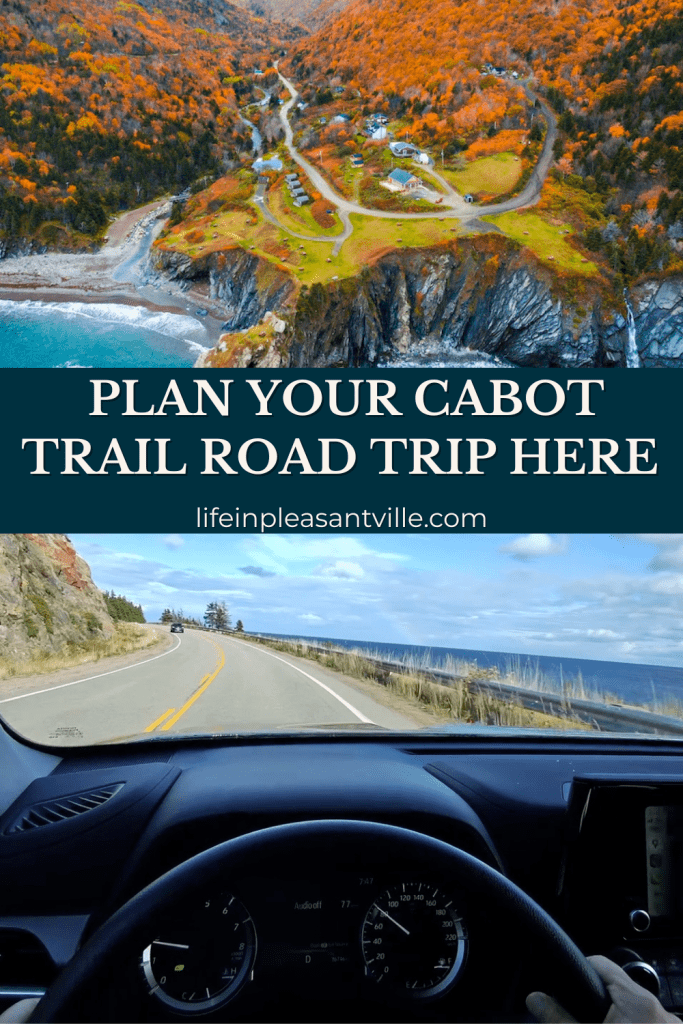
Show up ready to listen, look, and linger, and she’ll reward you with one of the best road trips of your life, Cape Breton style.
Suggested Itinerary for Driving the Cabot Trail
For an unforgettable experience, drive the Cabot Trail clockwise starting from Baddeck. This route offers optimal scenic views and memorable stops along the way.
Day One: Ease Into It
- Start in Baddeck – Grab a coffee and maybe peek into the Alexander Graham Bell National Historic Site if you’re feeling nerdy.
- Head clockwise – Trust me on this. The lookouts are better in the afternoon light when you’re coming down the western side.
- Stop for lunch in Margaree Harbour – Or pack a picnic. Either way, find a spot to soak up the view.
- Overnight in Chéticamp – Bonus points if you time it with a sunset.
Day Two: Highlands & Hikes
- Hike Franey Trail – This challenging 7.4 km loop offers panoramic views of the Clyburn Brook canyon and the Atlantic coastline. It’s a less crowded alternative to the Skyline Trail, allowing for a more serene experience while helping to reduce environmental impact on overused trails.
- Take your time through Cape Breton Highlands National Park – Pull over often. That’s kind of the point.
- Lunch in Pleasant Bay – Because it has my name written all over it. Kidding. Because it’s pleasant, of course (and possible whale sightings)
- Continue toward Ingonish – More beaches, more hikes, more wow.
- Overnight in Ingonish or nearby – You’ve earned it.
Day Three: Wrap It Up With Style
Finish back in Baddeck – You’ve done the loop. High five.
Coffee and beach stroll at Ingonish Beach – Pretend you live there. It’s fun.
Take the scenic back way to St. Anns and stop at the Gaelic College – Especially if you’re into culture, music, or just cool souvenir shopping.

Why the Cabot Trail Is a Bucket List Road Trip
The scenic stops, the hikes, the seafood chowder breaks? All lovely, think of them as her charming accessories. But for anyone who feels most alive behind the wheel, the real thrill is the road itself with each twist and rise teasing what comes next.
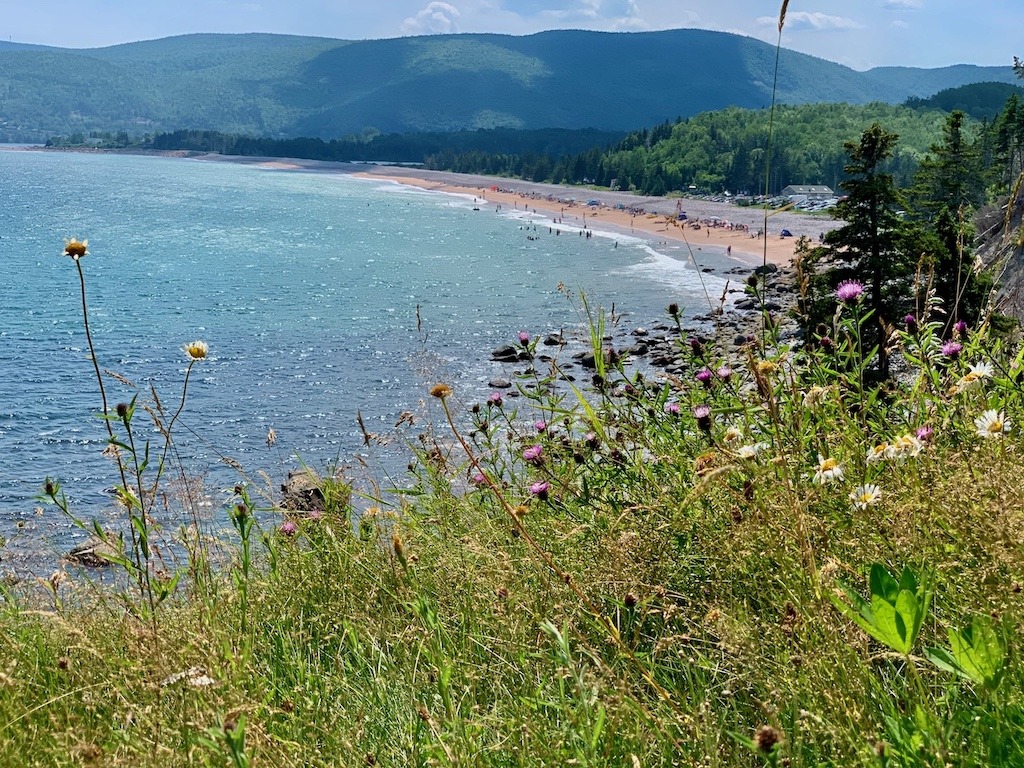
Often ranked among the world’s best drives—and if I may be so bold, the best drive in Canada—the Cabot Trail is set against one of the country’s most dramatic natural backdrops. Think jaw-dropping coastal cliffs, rolling highlands, and quiet fishing villages that feel like time politely passed them by.
Where to Start Your Cabot Trail Road Trip
Most people begin and end their Cabot Trail road trip in Baddeck, and for good reason.
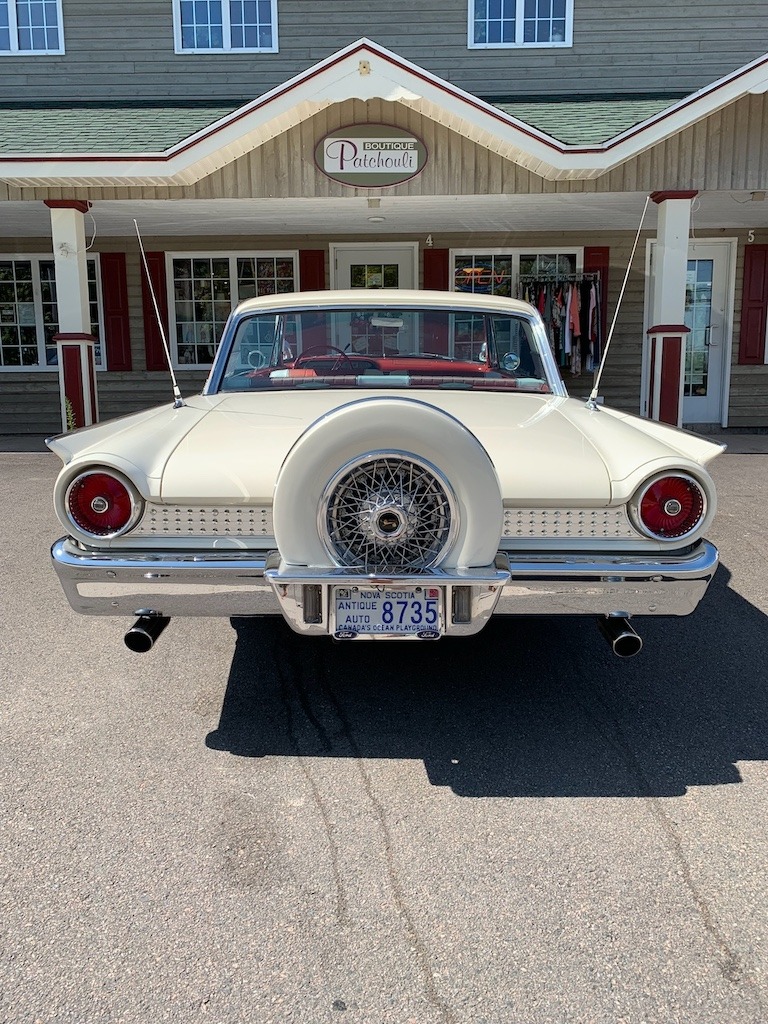
During peak travel season in Cape Breton, you’d never guess that Baddeck is a town of just 818 people. The energy on the main street is anything but small-town. Lined with welcoming shops, galleries, and restaurants, it’s the kind of place that invites you to linger. It’s also home to the Alexander Graham Bell National Historic Site, where you can learn about the man behind the telephone in a place he once called home.
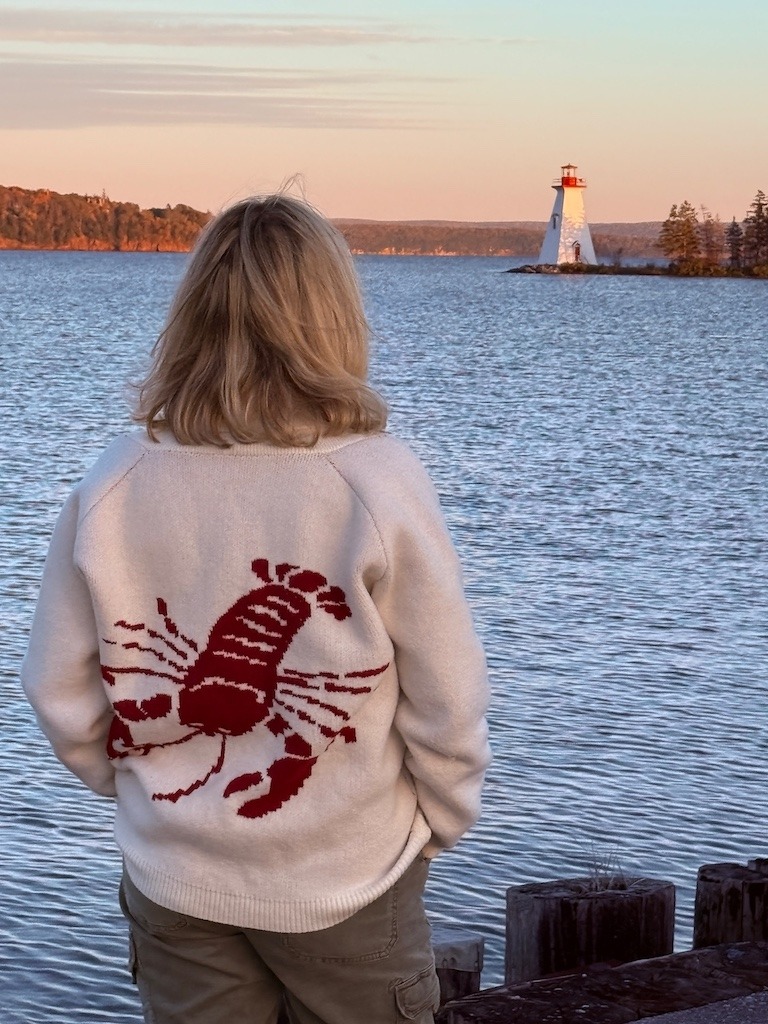
Be sure to grab a trail lunch at the Highwheeler Café, and don’t even think about skipping the Cape Breton oatcakes. Yes, I asked for the recipe. No, they wouldn’t give it to me. Yes, I’m still a little salty about it.
When it’s time to rest your head, check into the family-owned Inverary Resort on the shores of Bras d’Or Lake for comfort with a view. Or choose from one of Baddeck’s many boutique hotels, bed-and-breakfasts, or motels; there’s something here for every traveller, from luxe seekers to road-weary wanderers.
Must-See Stops on Your Cabot Trail Road Trip
The Cabot Trail may be the main attraction, but the stops along the way? Total scene-stealers. These are the places that’ll make you pull over, stay longer than planned, and wonder if you should just move to Cape Breton already. Trust me, I think about this daily.
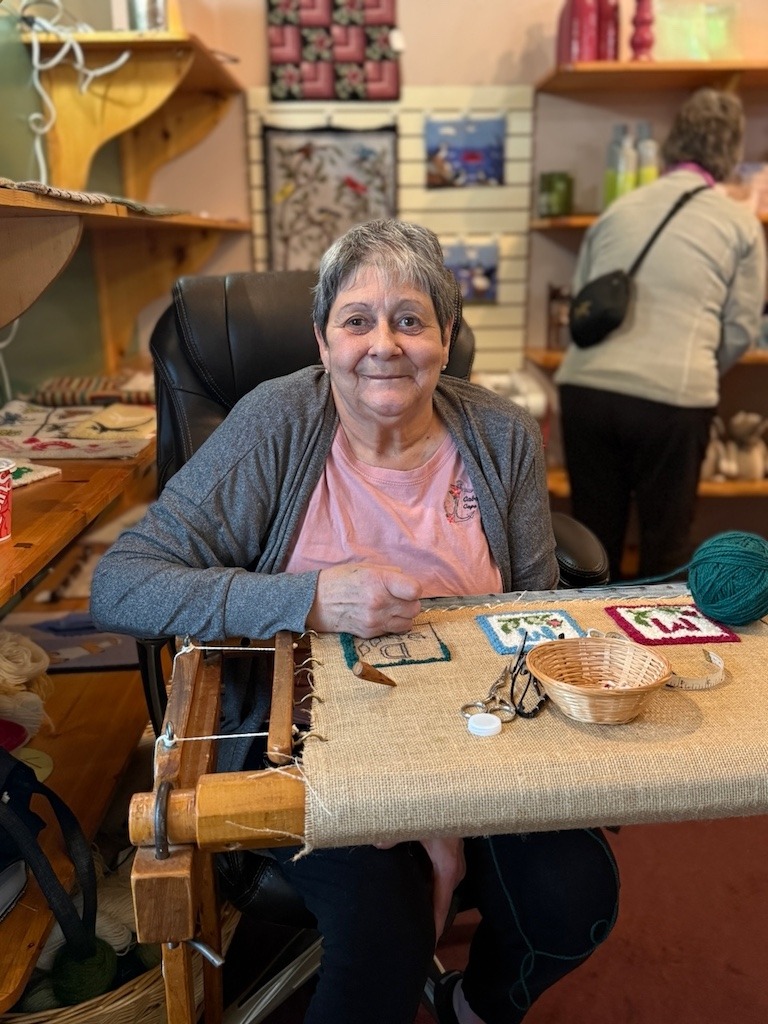
Chéticamp – A Francophone fishing village rich in Acadian culture and charm. Stop in at Flora’s for handmade crafts and quirky local finds, and be sure to meet the Happy Hooker (I promise, it’s a gift shop—get your mind out of the ditch).
Cape Breton Highlands National Park – The crown jewel of the trail for hikers and nature lovers. This protected gem offers everything from dramatic coastal hikes to quiet forest trails. Don’t skip the Skyline Trail or the views from Franey Mountain, they’re showstoppers.
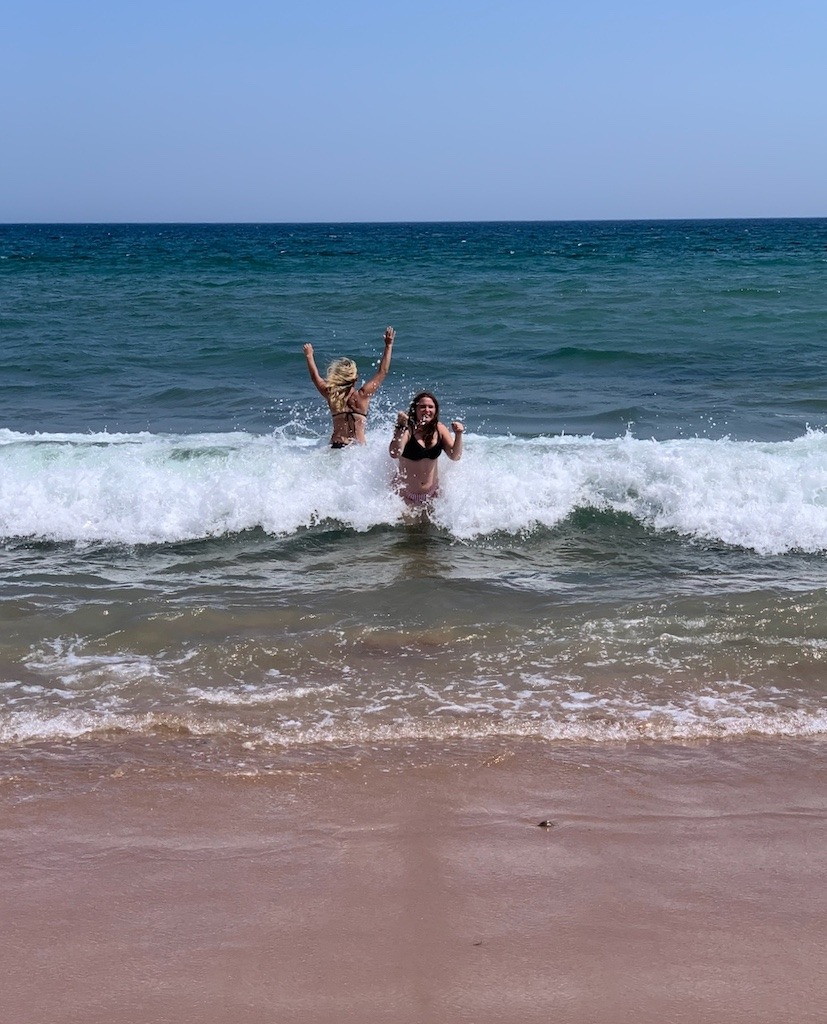
Ingonish – Where the beach meets the mountain, Ingonish is etched in my heart. Located within the national park, Ingonish is perfect for a swim, a paddle, or just a killer seafood dinner. If you’re feeling fancy, book a round of golf at Highlands Links or a spa treatment at Keltic Lodge.
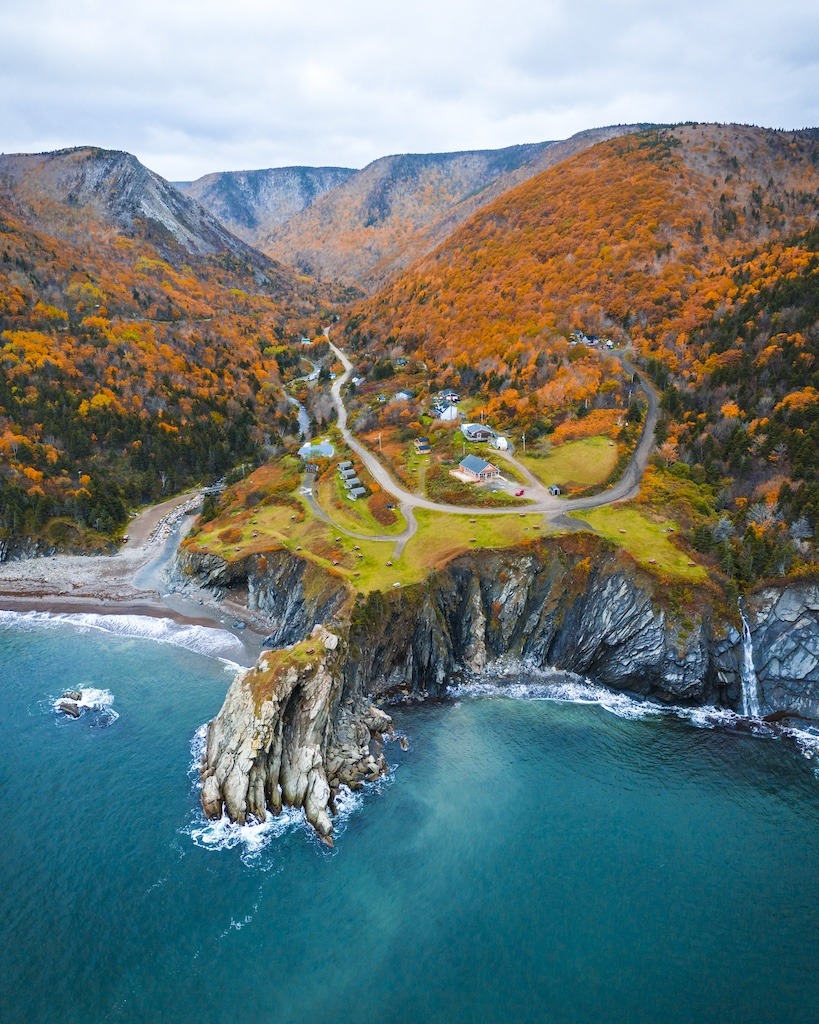
Meat Cove – As far north as you can go, and worth every extra kilometre. This wild, rugged outpost feels like the edge of the world—because it kind of is. A great spot for dramatic views, camping, or just pretending you’re in a moody indie film.
Pleasant Bay – Known as the whale watching capital of Cape Breton, Pleasant Bay lives up to the name. Hop on a tour boat, spot some marine giants, and grab a bite at one of the seaside restaurants. It’s also a peaceful spot for quiet reflection and killer sunset photos.
Margaree Valley – Rolling hills, winding rivers, and fly fishing dreams. Margaree is all about slowing down. Whether you’re stopping at the Dancing Goat Café for a homemade treat or floating down the river on an inner tube, this area is a sweet little exhale along the drive.
St. Ann’s Bay – A haven for artists and creatives, this coastal stretch is full of galleries, studios, and scenic views. Pop into the Gaelic College to explore Cape Breton’s Celtic roots, or just enjoy the calm vibe of this underrated gem.
Parks Canada is encouraging visitors to check out Franey Trail instead—and for good reason. The Skyline Trail has become a little too popular, and the surrounding ecosystem is feeling the impact. Franey still delivers those jaw-dropping coastal views, with far fewer people and a more serene experience.
When to Drive the Cabot Trail
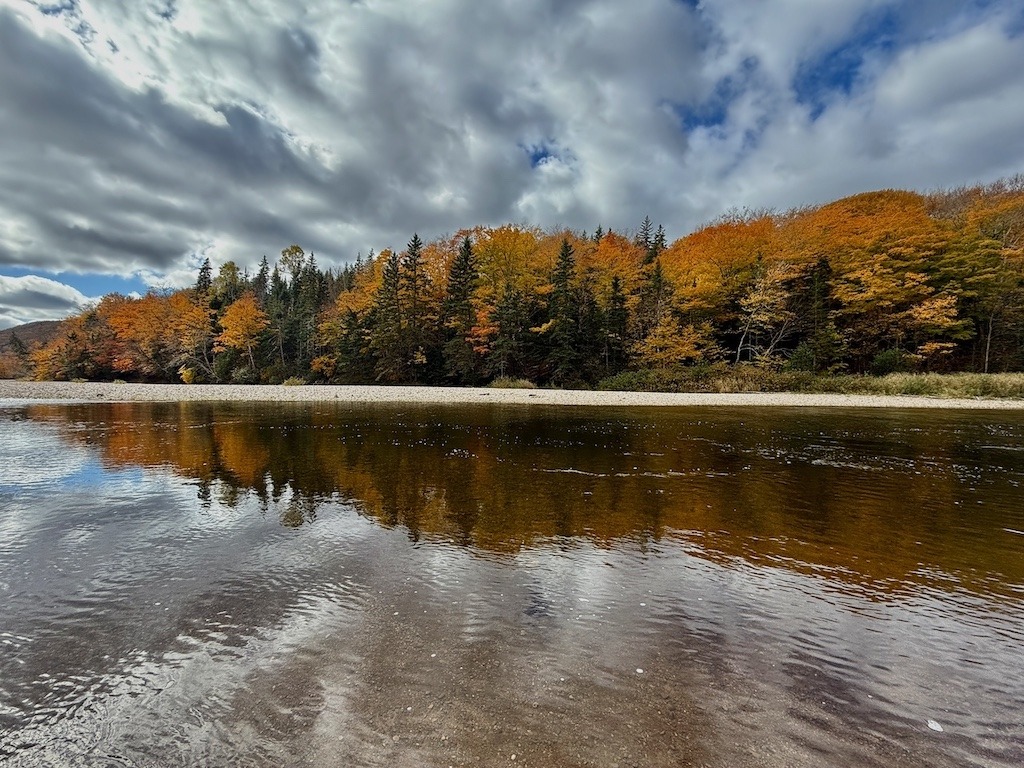
She’s beautiful in all seasons, but a Cabot Trail road trip is especially striking in the fall when the colours explode across the highlands. Summer offers more open businesses and events, but also more traffic. Spring is quieter and still stunning, while winter is….let’s just say it’s best to leave this to Canadian drivers.
And here’s your official warning: this is a daytime romance, do not flirt with her at night. Driving the Cabot Trail at night might sound romantic, but between the curves, cliffs, and limited lighting, you’re better off waiting for the sun to rise.
Also—watch for moose. These massive creatures can weigh over 700 kilograms, and if you hit one, your car’s not winning that fight. They’re most active at dawn and dusk, and their dark colouring makes them hard to spot until it’s too late. Keep your eyes sharp and your speed in check—especially in moose zones.
Want to Experience the Cabot Trail at Its Most Magical?
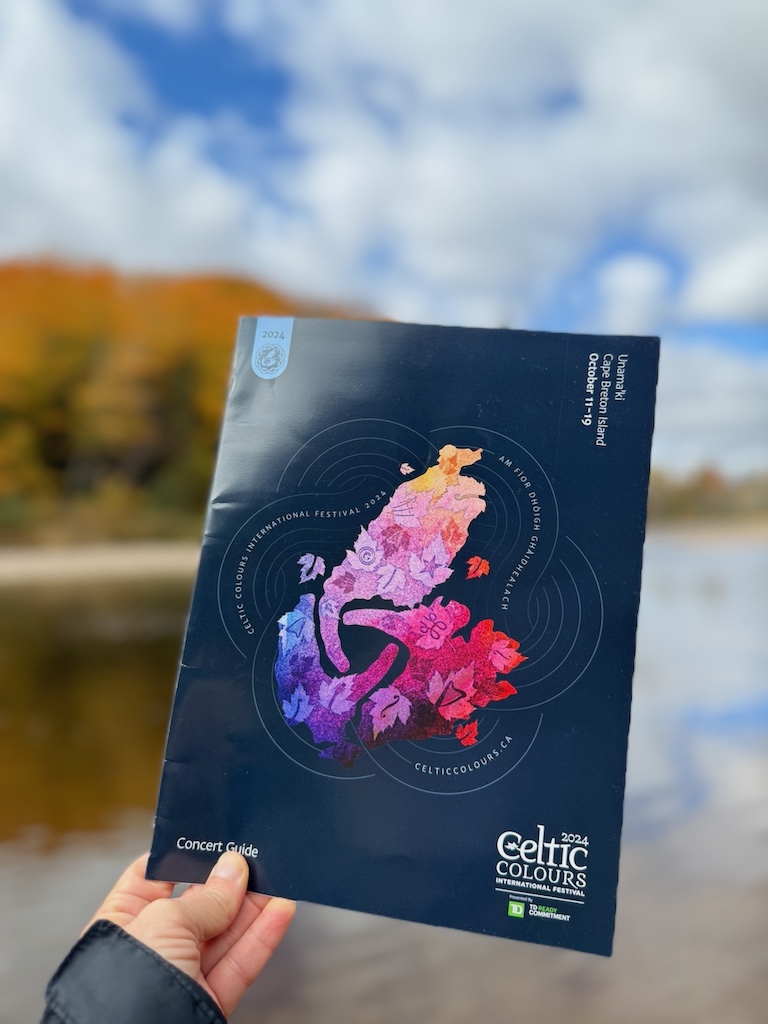
Time your road trip with the Celtic Colours International Festival in October. Music spills out of every corner of Cape Breton as fall colours hit their peak. This is the island at its most vibrant.
Read the full festival guide here.
Cabot Trail FAQ (Because You’ve Got Questions)
Technically, you can do the whole thing in a day. But she’s not that kind of girl. Give her a proper weekend at least—longer if you can. Circle back. Take your time. She’s worth it.
Clockwise puts the ocean on your side of the road. Counter-clockwise makes it easier to pull over for photos. Either way, you win. Pick based on your must-do stops and where you’re staying
Daylight only. Fog, cliffs, and moose don’t play nice in the dark. Hit the road after sunrise and aim to be parked by dusk. You’ll want to see her in the best light anyway.
Layers. She’s moody. You’ll go from sunshine to sea breeze to misty highland chill in a single day. Bring hiking shoes, a swimsuit (yes, really), snacks, and something cute for dinner.
Keep it slow. You’re here to vibe, not race. She’s got curves for a reason—respect them.
Technically, yes—but some parts can be tricky or even impassable in winter due to snow and limited services. Best to plan your trip between late spring and early fall when everything’s open and the views aren’t hidden behind fog and frost.
You can—but be prepared for steep grades, hairpin turns, and narrow shoulders in spots. Take it slow and plan your stops carefully. And maybe skip the scenic detours unless you’re really confident behind the wheel.
If you’re entering Cape Breton Highlands National Park (you are), yes. You can grab a day pass or multi-day pass at park entry points or online ahead of time.
The Ever-Changing Cabot Trail
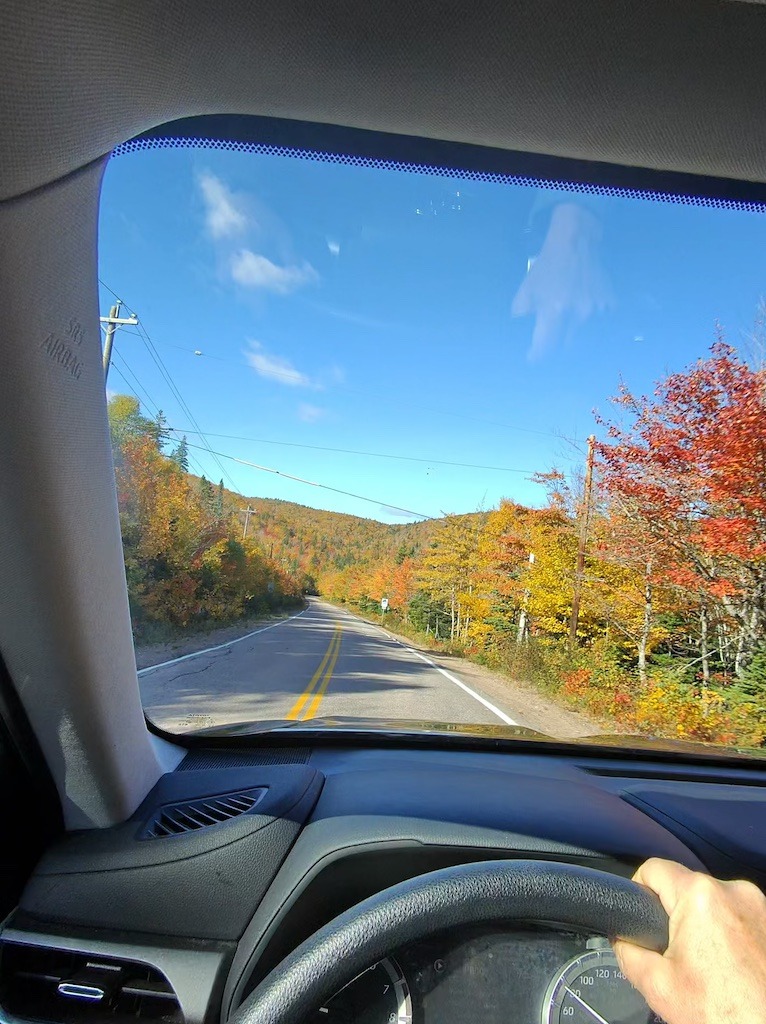
This isn’t a road trip with a consistent vibe. One stretch is all light, airy ocean views with whales breaching in the distance. The next? Dark, moody cliffs that feel straight out of a Gothic novel. Fog rolls in. Sun breaks through. She’s an ally (check the rainbows). She’s a mystery. She changes by the minute. You never quite know what version of The Cabot Trail you’ll get, and that’s part of what makes driving it so fun!

And like any cosmopolitan woman of the world, she’s multilingual. Road signs shift between English, Acadian French, and Gaelic; a reminder that on the Cabot Trail, you’re not just moving through landscapes, but layered histories and living cultures
Driving Tips: How to Keep It Sexy and Safe
- Eyes up here. Don’t go drifting off to her racier bits while behind the wheel. Your full attention is required here.
- Watch your speed (you’re on a date, not in a race)
- Be weather-aware.
- Pull over often. You can start and stop as many times as you’d like.
- Respect other drivers (this isn’t a solo act)
- Always keep your gas tank full. You wouldn’t want to end up on E in a less populated area.
- Get a paper map or download your maps ahead of time. Cell service can be spotty.
You’ll Want to See Her Again
The thing about planning your first Cabot Trail road trip is that it won’t be your last. You’ll be plotting your return before the first trip is over and thinking about her long after you’ve unpacked. And that’s okay, because there’s no one more welcoming than Cape Bretoners. So go ahead, plan now, come back often, and let her surprise you all over again. She’s that kind of road.
 Camping, But Make It Fun: The Best Girls’ Trips in Ontario
