
Come here, sister. Pull up a chair and let me hold your hand for a second, because it’s time we have a little chat. Specifically, it’s time for you to get over some of your hang-ups about thrifting. Specifically, the myths about thrifting that have been holding you back. I know, I know. But it’s time, and you’re ready.
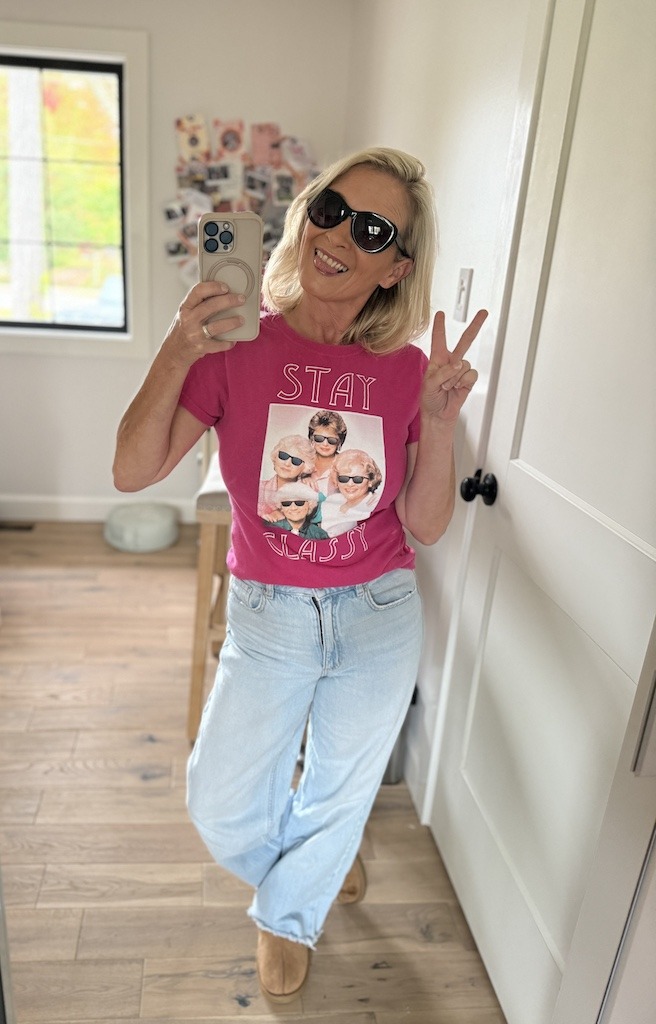
Before we proceed, I want you to know I have some bona fides in this arena. Aside from the fact that I’ve always had a natural predilection for old things — and I’m not talking about my taste in men, although that could absolutely be studied — I am a routine thrifter. So much so that the first question I ask before buying anything new is: can I get what I want secondhand? My home is filled with furniture, dishes, clothes, and decor that I proudly announce to anyone who will listen. It’s basically the thrifter’s equivalent of “thanks, it has pockets.” Thanks, I got it thrifting.
You don’t have to look far to see that we’re living through a pretty significant shift in how we think about buying stuff. It’s late-stage capitalism having its reckoning, and honestly, it’s okay if you’re conflicted. It is hard to let go of the dopamine hit of something brand new. It is totally reasonable to want the new outfit while simultaneously feeling torn about a world on fire. Those two things can exist at the same time. We are in the middle of a great reprogramming, and I’m here to tell you it’s a whole lot less painful (and a lot more fun) when new purchases become your last option instead of your default.
We Have a Stuff Problem
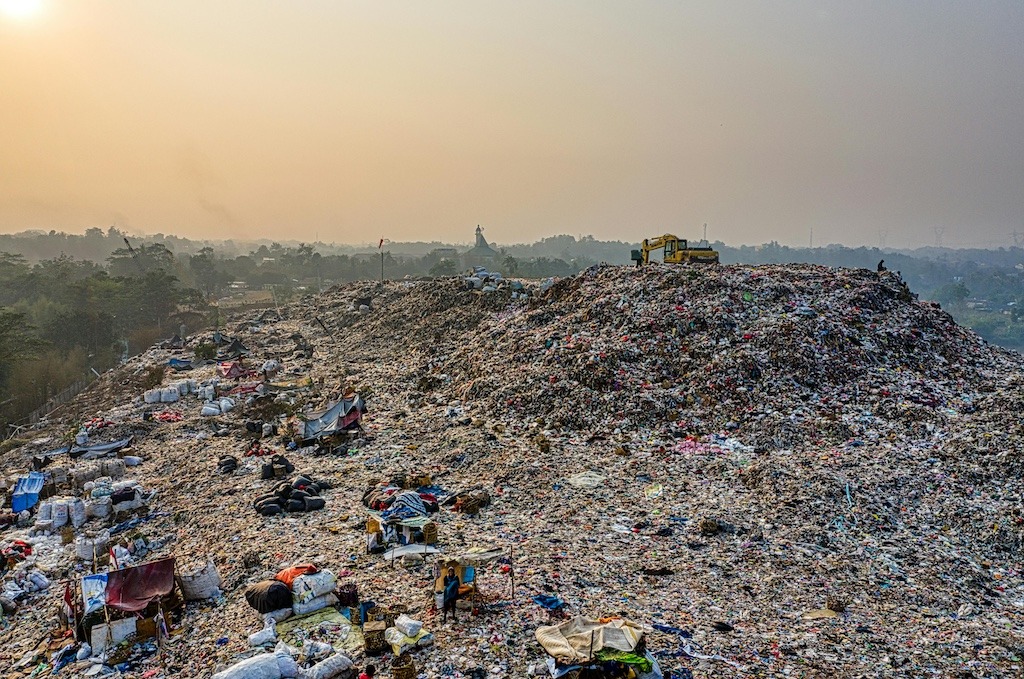
Let’s set the scene, because the numbers are genuinely alarming and you need to know them.
We live on a finite planet and we are producing and discarding at a rate that does not respect that reality at all. We don’t have an infinite supply of raw materials, water, or land, and yet the system we’ve been operating in is designed as if we do. Here is what that actually looks like:
- Canadians throw away nearly 500 million kilograms of textiles every year, according to researchers at the University of Waterloo. That is close to a billion pounds of clothing, linens, and fabric goods, and about 85 per cent of it ends up in a landfill.
- The average Canadian discards approximately 37 kilograms (81 pounds) of textiles annually.
- We are buying 60 per cent more clothing than we did 20 years ago, and keeping it for half as long.
- Approximately 60 per cent of all new clothing is made from plastic-based synthetic fibres. When it goes to landfill, it takes hundreds of years to break down and sheds microplastics into soil and water along the way.
- The fashion industry produces roughly 80 billion new pieces of clothing globally every year. That is 400 per cent more than two decades ago.
- Furniture waste is a massive and largely invisible problem. In Canada and the United States combined, over 10 million tonnes of furniture end up in landfills every year, and 80 per cent of it could have been reused or recycled.
- Canada has the highest per-person waste production in the world. We produce 3.61 metric tonnes of waste per person per year.
Here is the thing that puts all of this in perspective: we already have enough. There is already enough clothing, furniture, housewares, books, tools, and decor sitting in the world right now to outfit and furnish generations of people. It has already been made. The resources have already been used. Every time something gets donated and resold instead of thrown away, that cycle gets interrupted in a meaningful way.
That is what thrifting is. It is not a budget compromise. It is a form of participation in a saner system.
The Canadian resale market hit $4.2 billion in 2023. Ninety per cent of Canadians have now engaged with a thrift store through shopping, donating, or both, up from 83 per cent just two years earlier. This is not a niche hobby anymore. This is a movement.
And yet people are still out here clinging to myths about thrifting that haven’t been true for years. So in the spirit of saving you from yourself, let’s bust every last one of them.
Jump to a myth:
- Thrifting is for people who can’t afford new
- It’s all junk
- Everything is old, dated, and out of style
- The stores are cluttered and disorganized
- You can’t keep up with trends thrifting
- It takes forever
- Secondhand stuff is dirty
- Thrifting is only for clothes
- Thrifting is overconsumption
- You need to live in a big city to find good stuff
Myths About Thrifting: It’s Only for People Who Can’t Afford New
Oh, honey. No.
Thrifting is for people with taste who also happen to not want to be walking billboards for fast fashion brands manufacturing their clothes in ethically questionable circumstances. It is for treasure hunters. It is for people who are genuinely tired of showing up somewhere and spotting three other people in the same outfit.
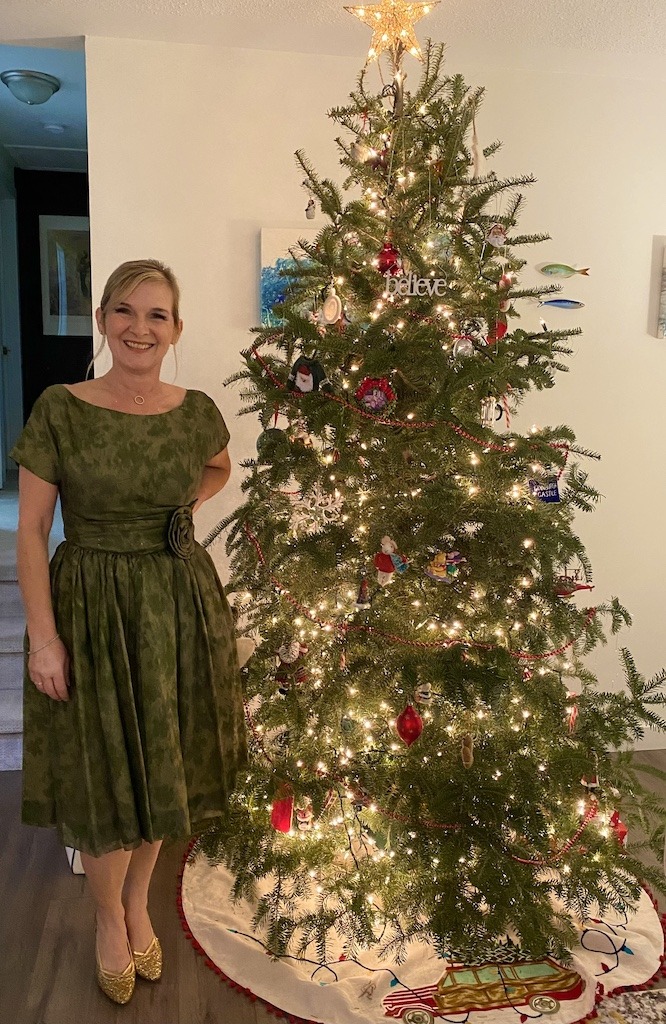
Here’s a fun data point for you: a survey found that consumers earning over $175,000 a year are actually more likely to shop secondhand than the average shopper — by a margin of 14 percentage points. The people with the most money to spend are choosing not to. Let that sink in.
Thrifting is not a consolation prize. It’s a choice. A smart, intentional, often deeply satisfying one.
Myths About Thrifting: It’s All Junk
Au contraire, my new thrifting friend. Au contraire.
Here’s something worth knowing about a lot of what shows up in thrift stores: a lot of it was made before planned obsolescence became a business model. For those who aren’t familiar with that charming concept, planned obsolescence is the practice of designing products to fail or feel outdated within a certain timeframe so you’ll buy a replacement. Your $8 fast fashion top that started pilling after two washes? Planned. The $15 small appliance that stopped working fourteen months after you bought it, conveniently just outside the warranty window? Also planned.
A lot of what ends up donated to thrift stores was made before that was standard practice. You will find solid wood furniture, wool coats, quality leather goods, cast iron cookware, and ceramic dishes that have outlasted entire decades. The “junk” framing says more about our current production standards than it does about what you’ll actually find on the shelves.
Everything Is Old, Dated, and Out of Style
Let me stop you right there. I have found Lucky Brand jeans, name-brand winter boots, and more current fashion on thrift store racks than I care to admit. The idea that thrift stores are exclusively stuffed with your grandmother’s housecoats is one of those myths about thrifting that needs to die.

Think about what actually gets donated. People clean out closets. They buy things they never wore. They go through life transitions — moves, divorces, weight changes, kids growing out of things overnight — and they bring bags of perfectly good, perfectly current stuff to the donation desk. One in three Canadian thrift shoppers say secondhand is actually more stylish than buying new. Not in spite of thrifting. Because of it.
There are vintage finds, absolutely. But there is also a lot of now, if you’re willing to look.
The Stores Are Cluttered and Disorganized
This one may have been true of some thrift stores in some eras, and honestly it is still true of some. But as a broad sweeping generalization about thrift retail in 2026? It doesn’t hold up. Besides have you been to a Winners lately? Same/same if you ask me.
Most established thrift chains and many charitable reuse stores are organized very much like any other retail environment. Clothing by category, housewares together, furniture in its own section. The difference is that inventory turns over constantly and unpredictably, which is part of what makes it exciting.
If this is one of the myths about thrifting you’ve been holding onto, know that things are much different in 2026. You’re not going to be sorting through a damp pile of unknowable objects in a dim room somewhere, I promise you that is not what’s waiting on the other side of that door.
You Can’t Keep Up With Trends Thrifting
Oh, you sweet thing. Let me tell you about trends.
Skinny jeans are out. No wait, they’re back. Wide leg is in. Actually, straight leg is having a moment. Quiet luxury is everything. No, maximalism is back. The trend cycle in fast fashion moves so aggressively now that by the time something hits a big box store at full price, it is already on its way out. If you are trying to keep up with it by buying new, you are on a hamster wheel that was specifically designed to keep you spending.
Thrifting, paradoxically, is one of the better ways to stay current. Because everything that was once in style comes back around, and it’s already waiting for you on the rack for a fraction of the original price. Secondhand stores are also increasingly receiving current donations quickly — people turn over their wardrobes faster than ever, which means what’s on the floor skews more recent than you might think. More than a third of Canadian thrift shoppers say secondhand makes them more stylish than traditional shopping would. The trend girlies are already here.
Myths About Thrifting: It Takes Forever
Look, I’ll be honest with you. A full thrift marathon with multiple stops can absolutely eat an afternoon. But that’s a choice, not a requirement.
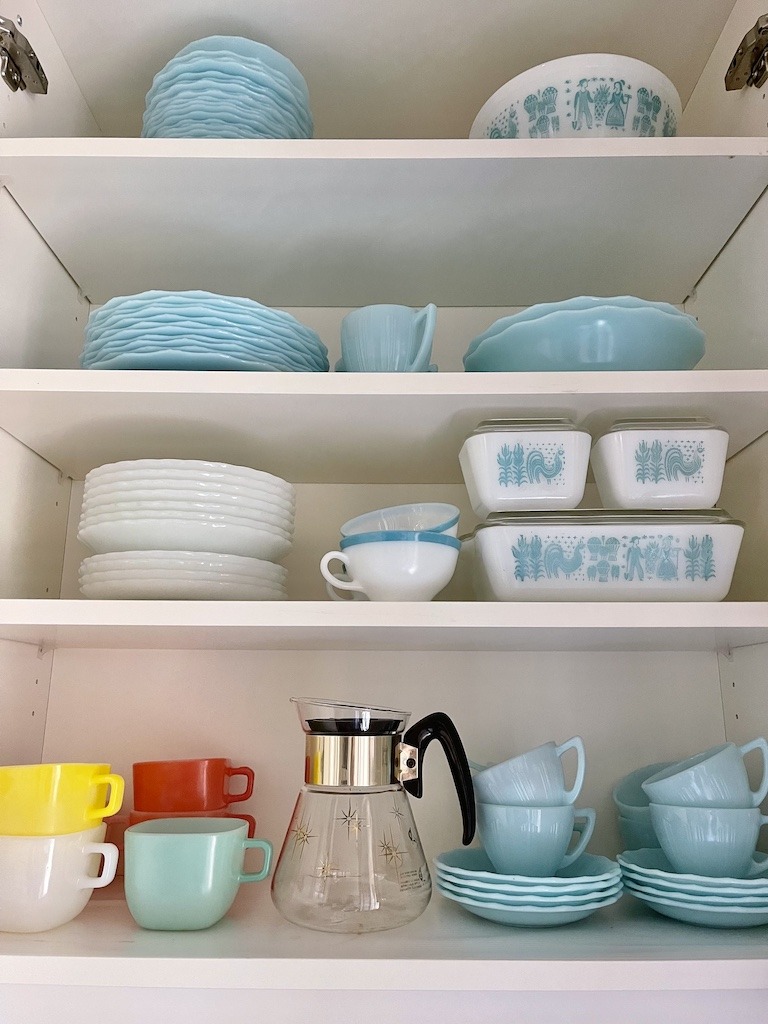
If you go in with a general sense of what you’re looking for — a denim jacket, end tables, a lamp, a winter coat — you can move through a well-organized store efficiently. Most thrifters report spending 30 minutes to an hour per session. That is roughly the same amount of time you might spend scrolling a retailer’s website, waiting for the page to load, second-guessing your cart, and then getting hit with a $18 shipping fee at checkout.
The difference is that when you come out the other side of a thrift session, there’s a decent chance you found something you genuinely love that nobody else has. That’s a better use of an hour.
Myths About Thrifting: Secondhand Stuff Is Dirty
This one is mostly psychological, but of all the myths about thrifting, this one needs to be put to bed for good. I say this without judgment because I understand the instinct. But let’s think about this for a second.
When you try on clothing in a department store, other people have tried it on before you. When you buy something online and then return it, someone else buys your return. Dressing rooms, rental clothing, costume shops, vintage boutiques — we have always been wearing clothes that other people wore. We just felt better about it when the packaging was new.
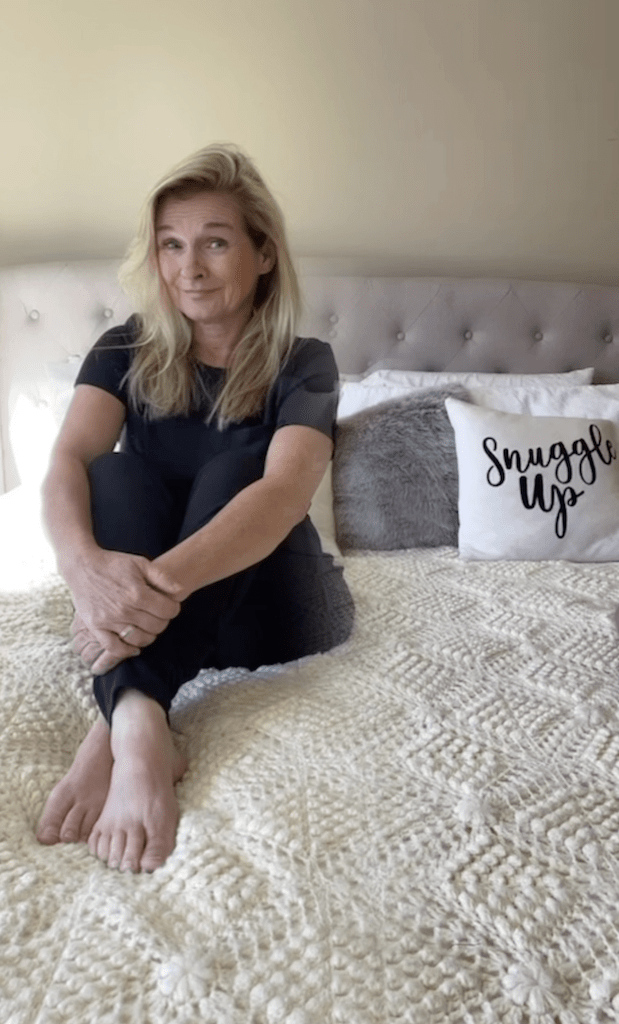
I once heard someone say “ew, I would never buy used bedding, gross, people have slept in that.” And I laughed and laughed. Because I have a question for that person: have you ever stayed in a hotel? Be so for real. We have washing machines. This is not a mystery. Wash the sheets. Deep clean the couch. Wash the dishes. Run things through a proper cycle and get on with your life.
Reputable thrift stores also have intake processes. Items are assessed before they go on the floor. Obviously you should wash anything you buy secondhand before using it — just as you should wash new clothing before wearing it, incidentally, given the chemicals used in manufacturing and shipping. The idea that secondhand equals dirty is largely in your head, and your head is wrong about this one. This is just straight-up lazy thinking masquerading as a hygiene concern.
Thrifting Is Only for Clothes
This might be the myth I most want to dismantle, because it is keeping people away from some of the genuinely best finds available in the secondhand market.
Furniture. Art. Books. Kitchenware. Linens. Garden tools. Sports equipment. Electronics. Instruments. Frames. Mirrors. Lamps. Rugs. The secondhand market extends so far beyond clothing that limiting your thrift outings to apparel means you are leaving an enormous amount of value and discovery on the table.
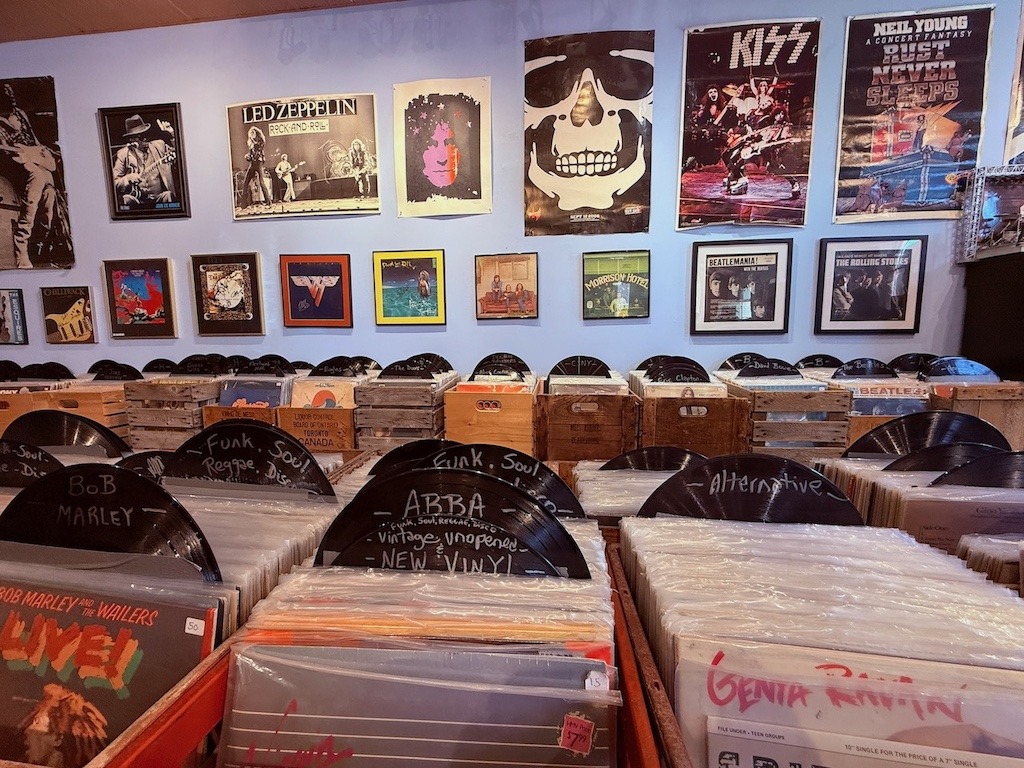
For anyone renovating, decorating, or rebuilding a space — and there are a lot of us out here doing exactly that for all kinds of reasons — thrift stores and reuse retailers are where you find character that flat-pack furniture simply cannot replicate. I have been hunting for mid-century modern end tables, and I would far rather find them at a thrift store with actual history than order something that will arrive in a box and require an Allen key and a moderate amount of quiet rage to assemble.
More than eight in ten Canadian consumers report buying at least one non-apparel category secondhand. The clothes are just the beginning.
Thrifting Is Overconsumption
Of all the myths about thrifting, this a new and frankly frustrating one, because it has been gaining some traction in low-buy and no-spend circles, and it does not stand up to scrutiny.
The argument goes: buying secondhand is still buying, therefore it contributes to overconsumption. And look, I get the spirit of it. Mindless accumulation is mindless accumulation regardless of where you got it or the price tag. But the framing falls apart when you apply any environmental logic to it.
The environmental cost of any good happens during production — the resources used, the emissions generated, the water consumed. Those costs are already spent on every item sitting in a thrift store. Buying that item doesn’t create new demand. It prevents the item from going to landfill and keeps it in use, which is precisely the opposite of overconsumption. You are not buying into the system that causes the problem. You are intercepting its output.
Shopping secondhand with intention is entirely consistent with a low-buy mindset. Buy what you need. Choose quality over quantity. Let things have a second life. That’s not overconsumption. That’s the circular economy in action.
You Need to Live in a Big City to Find Good Stuff
This one gets a hard no from the data.
Research has actually found that some of the highest-rated thrift stores per capita in North America are in smaller cities and towns, not major urban centres. Large cities have more shoppers competing for the same inventory, which means higher prices and faster turnover that doesn’t always work in your favour. Smaller communities often have strong donation cultures and less competition, which means more opportunity for you.
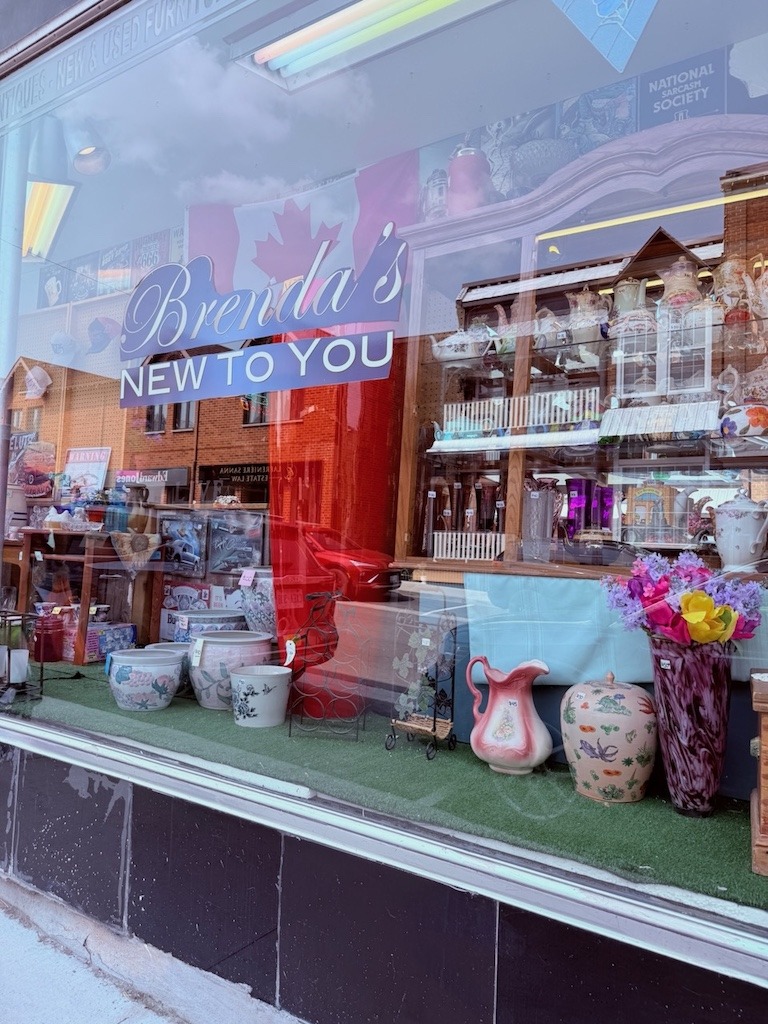
Whether you’re in Ottawa or a smaller town an hour outside it, your local thrift store is worth a visit. You don’t need to be in Toronto or Vancouver to find something worth finding. You just need to show up and look.
The bottom line is this: thrifting in 2026 is not what the myths say it is. It is mainstream, it is stylish, it is practical, and it is one of the most straightforward ways to align your spending with your values without giving up the things you actually like. The treasure hunt is real, the quality is real, and the satisfaction of finding something genuinely good for next to nothing is a feeling that a new purchase wrapped in tissue paper rarely matches.
Come on in. The racks are warm and the prices are good.
Want to take it further?
What Is a No-Buy Year? My Experience and Lessons Learned
Thrifting is a great start. But if you’re ready to really shake up your relationship with stuff, a no-buy year might be the next step. I did it. Here’s what happened.
Read the full postHave a myth about thrifting I’ve missed? Drop it in the comments.
Updated March 11, 2026
 No Monkey Business Gluten-Free Banana Muffins

peady
I am excited to go visit the new VV location in Halifax. I find the Fall is a great time to go to get jeans and sweaters – so everyone is ready for jeans and sweater weather which we definitely get lots of in NS!
For kids who wear out the knees of all their pants it’s just the best place to stock up. Currently Thing 2 is in-between sizes and in order to find a brand that fits her well, we will be going to try on a bazillion brands in one place. THAT is worth money, right there.
The BIG 50% sales that happen twice a year are also the best!
Fun post! (Love the pictures – I LOL-ed actually.)
Alison Pentland (@FeeFiFoFunFaery)
I’m a VV fan also. It works great in tandem with my costume business and I find all kinds of cool toys for my granddaughter and myself LOL like the AT-AT worth $180 that I picked up for $14. There was somebody stalking me as I walked through the store with it, probably hoping it would get too heavy and I would put it down.
Candace Derickx
Right? Sometimes the bargains are just too good to pass up. Love Value Village.
Candace Derickx
My kids look forward to going now because they are just starting to understand they get more bang for their buck at VV.
steven
this article is ridiculous and short sighted. value village is a for profit company with the majority of their money going to the high ups and share holders. this article is a sponsored advertisement and in no way, shape or form exposes value village for the crummy corporation they are.