A few months ago, I was driving in the car with the CBC playing in the background (like all good Canadians do, right?) when I caught part of an interview where a term I’d never heard before was mentioned: extinction of experience. I was close to my destination and didn’t have time to catch the rest, but those words have haunted me for months because they snapped together a scatter of small, nagging observations that had been floating around in my head. When I zoomed out, I realized those seemingly unrelated micro shifts I’d observed were actually all part of the same frightening pattern.
What is Extinction of Experience
Extinction of experience is the gradual loss of direct, real-world interaction, with nature, with other people, and with the environments we move through, as more and more of life is lived through screens and fewer reasons remain to leave our homes.
In short, it is the deathblow to human experience.
How it Plays Out
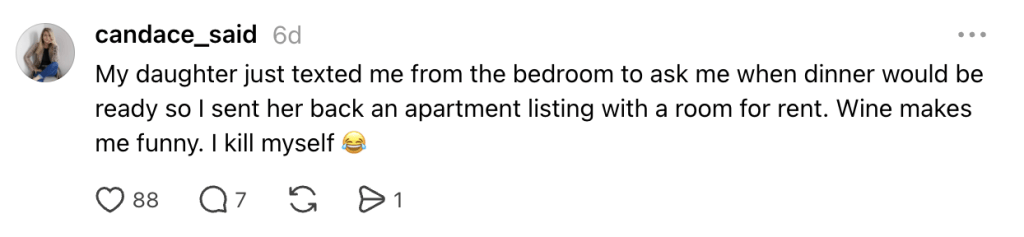
You need not look far to see how extinction of experience is playing out. In our own homes, we text each other from one room to another. We listen to recordings of nature sounds to lull us to sleep, but rarely step outside into nature itself. We scrunch up our faces when someone we know wants to talk on the phone, preferring text exchanges stripped of tone, nuance, and immediacy. AI has become our therapist, doctor, friend, and confidant.
There are children who do not know where vegetables come from, believing they come straight from the grocery store. Entire swaths of our population feel little urgency around deforestation because they have never stood in a forest. And before you judge or chuckle in disbelief, there is data to back this up.
We no longer know how to get somewhere without a phone telling us where to turn. Ask someone for directions and they point to a screen, not a landmark. We follow blue dots instead of seeing, and more importantly, remembering the world around us. I know this because I’ve lived it. I’ve travelled through places where I couldn’t tell you what was between point A and point B, not because it wasn’t there, but because I wasn’t paying attention.
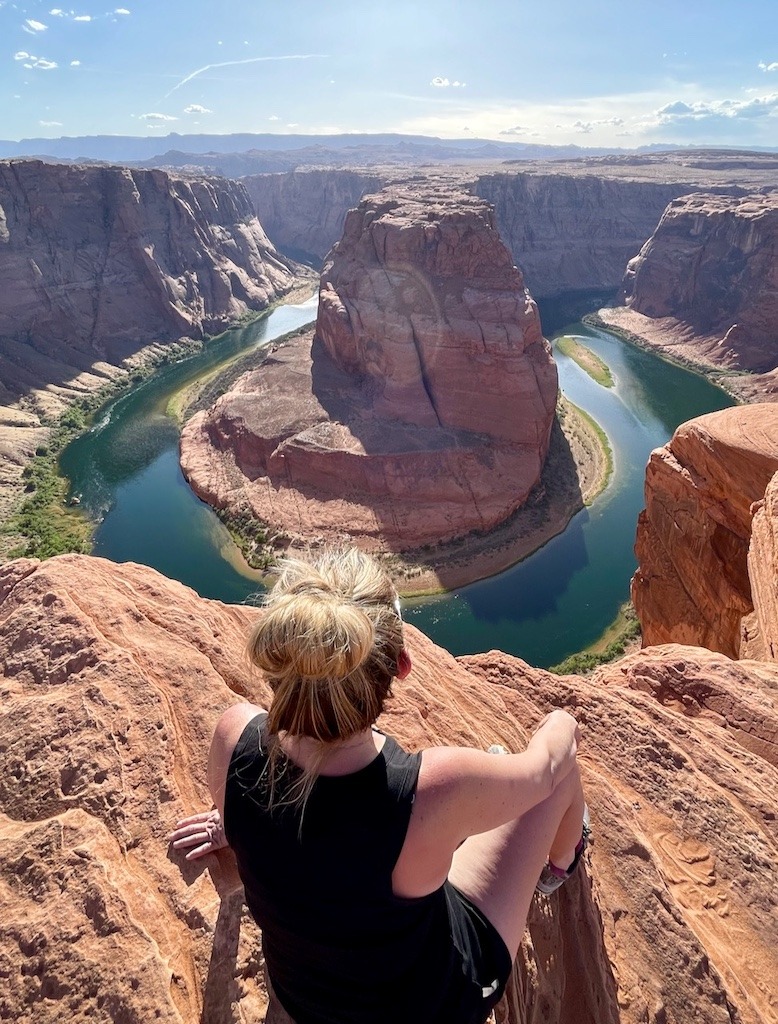
Boredom? Yeah, that’s not a thing anymore. Waiting rooms, bus stops, grocery lines, even red lights used to be moments where the mind wandered, or invited new conversation. Now every pause is filled, every quiet moment smoothed over with scrolling. Boredom is treated like a problem to solve, rather than a space where imagination and reflection once lived.
Our memories have been outsourced. I don’t know my children’s phone number or my partner’s. Not because I don’t care, but because I don’t have to. Phone numbers, birthdays, anniversaries no longer live in our heads or our hearts. When memory disappears, meaning thins out with it.
Third spaces are vanishing. The cafés, bookstores, malls, libraries, and community spaces that are neither home nor work, are nearly impossible to find. These spaces matter because they ask nothing of us. The places that have replaced them now require you to buy, perform, enrol, or justify your presence. If you’re not spending money or producing something, you’re loitering.
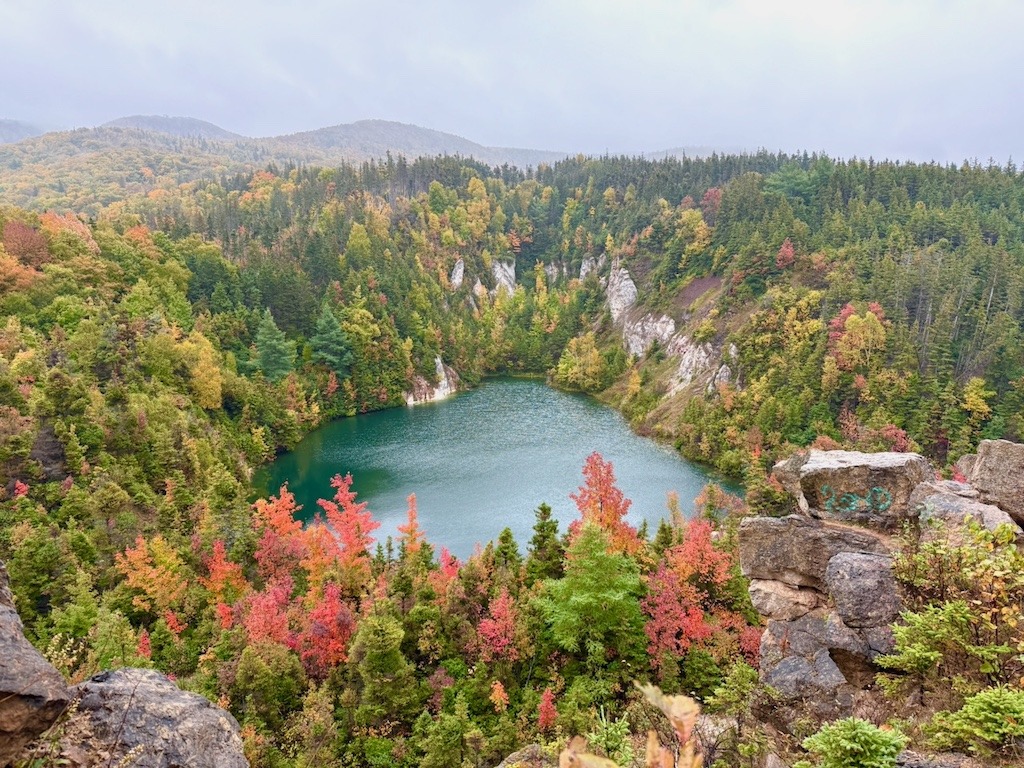
Brick-and-mortar stores continue to shutter and have accelerated mindless overconsumption. Stores invite touch and contemplation. They give us a space to wander and engage in conversations, and occasionally run into people we didn’t plan to see, but end up making plans with. Online shopping places us in an algorithm, essentially selecting items for us, where it’s left on our doorstep and we don’t have to look a single person in the eye.
Even our most intimate choices have been flattened. Dating apps have turned the search for a life partner into something that feels less like connection and more like selecting from a menu. We swipe for partners, leave people on read, and end relationships by text.
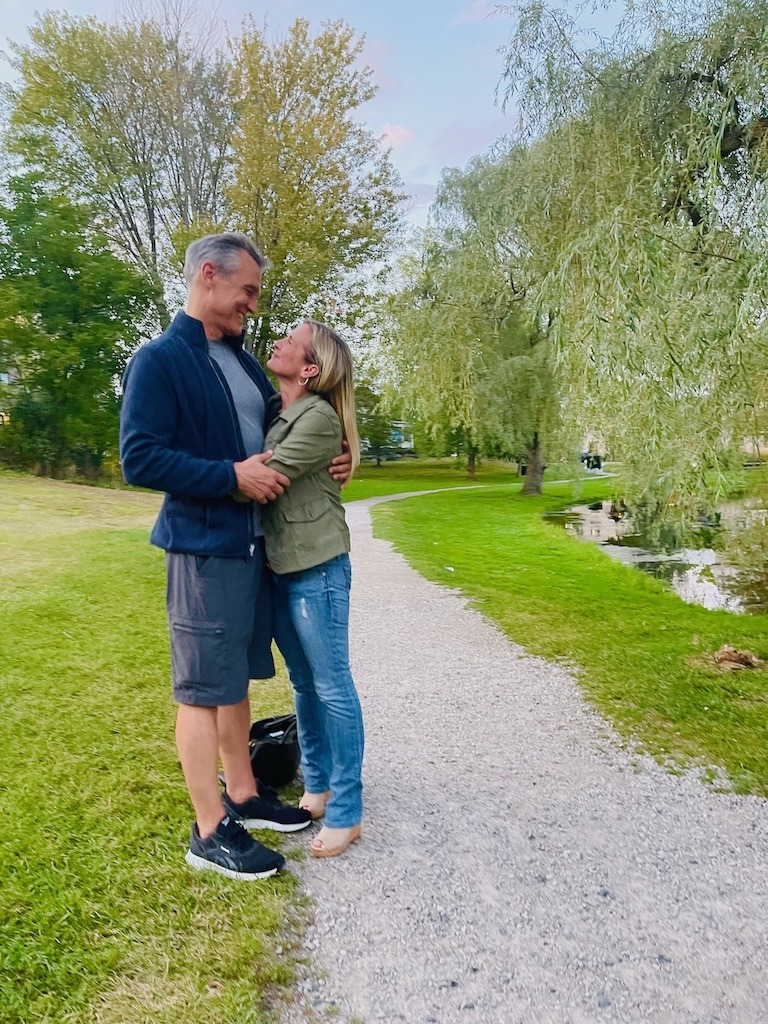
Our children no longer roam. Even trick or treating is becoming a thing of the past. Teenagers have fewer places to gather that are not monitored, monetized, or mediated. And they will never have the luxury of undocumented missteps. Unsupervised outdoor spaces taught negotiation, resilience, and social risk in ways that cannot be replicated on a screen.
Even weather has been pushed to the margins of our lives. We move from climate-controlled homes to climate-controlled cars to climate-controlled buildings. Seasons become background noise instead of something felt in the body.
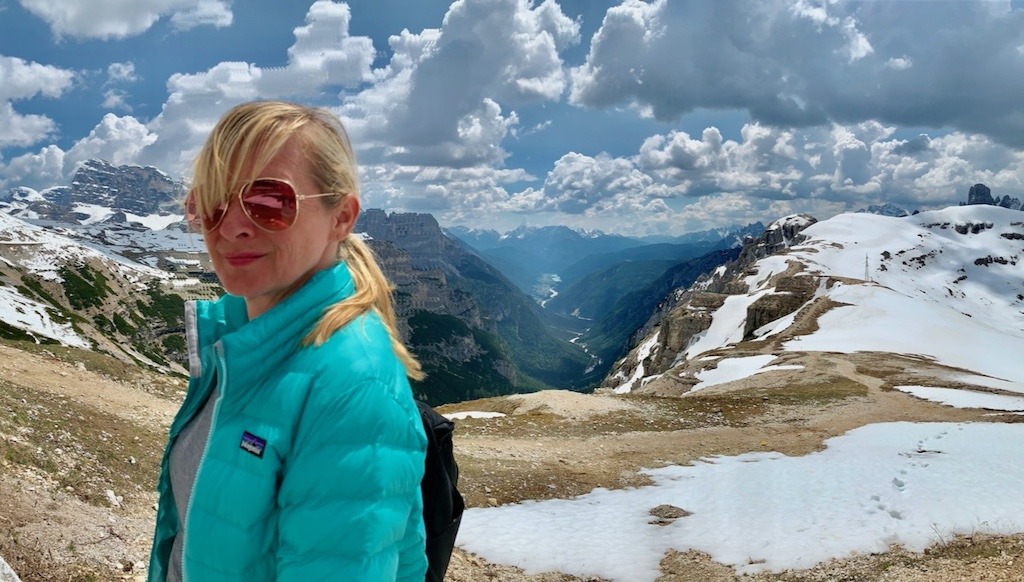
And because we are so intent on making discomfort disappear, we’ve lost touch with the consequences. Climate change becomes something we talk about, model, and manage on screens rather than something we feel. If the air-conditioning works, the shelves are stocked, and the power stays on, it is easy to believe we must be doing fine. If the smoke is someone else’s problem, the flood is happening somewhere else, and the heat can be escaped by closing a door, the urgency dulls. We lull ourselves into a false sense of security when our homes remain a consistent 21C, day after day, year after year.
We are losing our senses, one experience at a time. And as our direct contact with the world fades, so does our care for it. It becomes easier to dismiss forests we’ve never walked through, communities we’ve never visited, and people we only encounter through filtered, flattened exchanges.
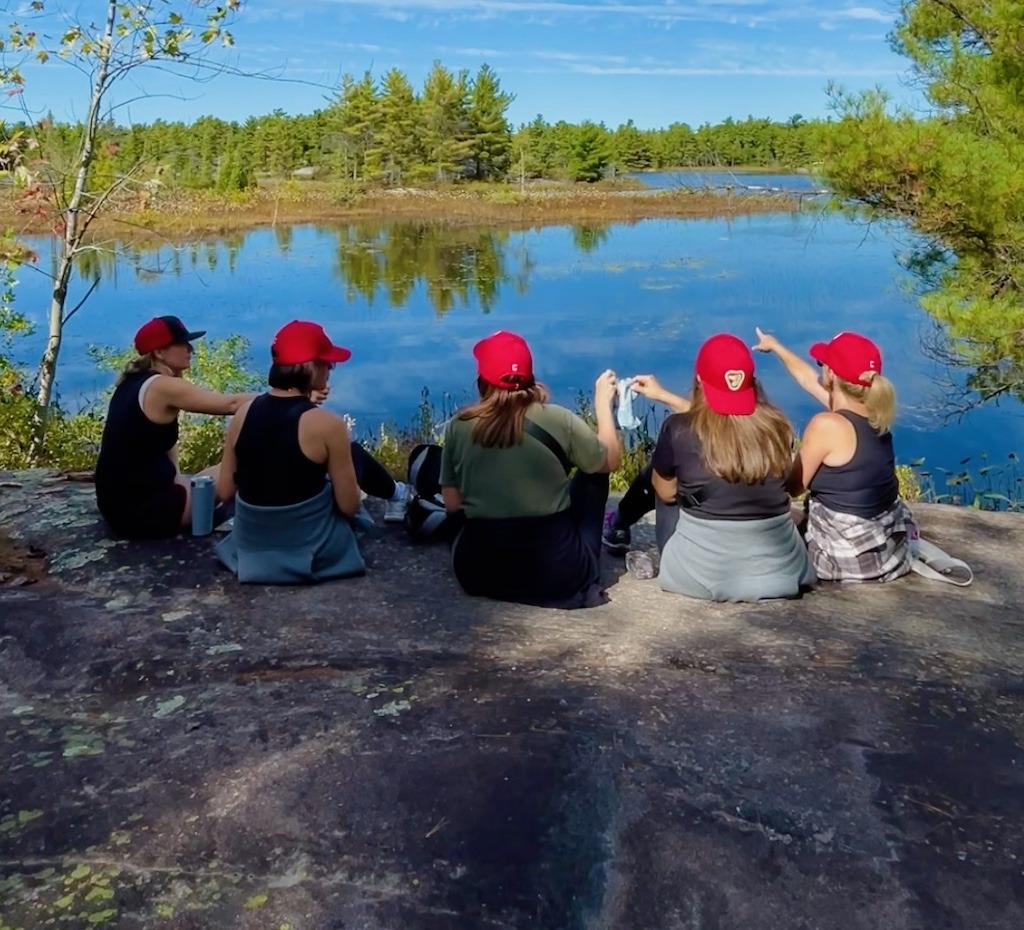
The human experience, if it is to survive, has to be chosen.
So where do we start? The first step is simply recognizing it. What I’ve shared here isn’t exhaustive, but it shows how the erosion of human experience is happening everywhere, all at once. The next step is harder: hitting the brakes.
How I’m Keeping Extinction of Experience at Bay
I’ll be honest with you. I don’t have this figured out just in case you’ve made it this far looking for a magic solution (sorry). But I have started paying attention, and paying attention turns out to be the whole game.
I’ve become more conscious of where I pull my phone out, choosing more and more to leave it in my purse when I’m standing in a queue. Instead I look around, make eye contact, chat with whoever’s nearby. And here’s what I’ve noticed: strangers online make me angry. Strangers in real life bring me joy. I’m not sure when that flipped, but I know which version of the world I’d rather live in.
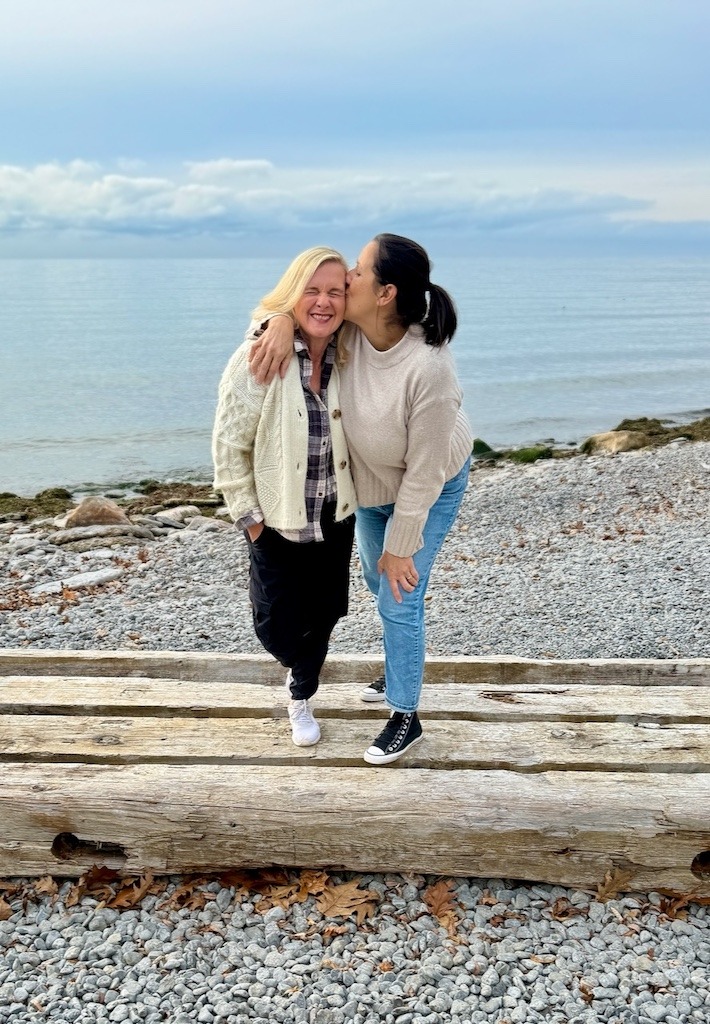
I take social media breaks now. Real ones. And every single time, without fail, I feel better.
I haven’t stopped having opinions about politics, and if you know me, you know I never will. But I’ve started pulling back from the performance of it online. I’ve volunteered to step into a real room instead, as vice-chair with my local EDA, because I’d rather hear people’s actual concerns face to face than read their rants on a screen, where nuance goes to die.
When I spend a weekend away with my friends, I go hours without looking at my phone. Hours. I know!? And to my disbelief, absolutely nothing falls apart in my personal space when I do. In fact, the opposite happens.
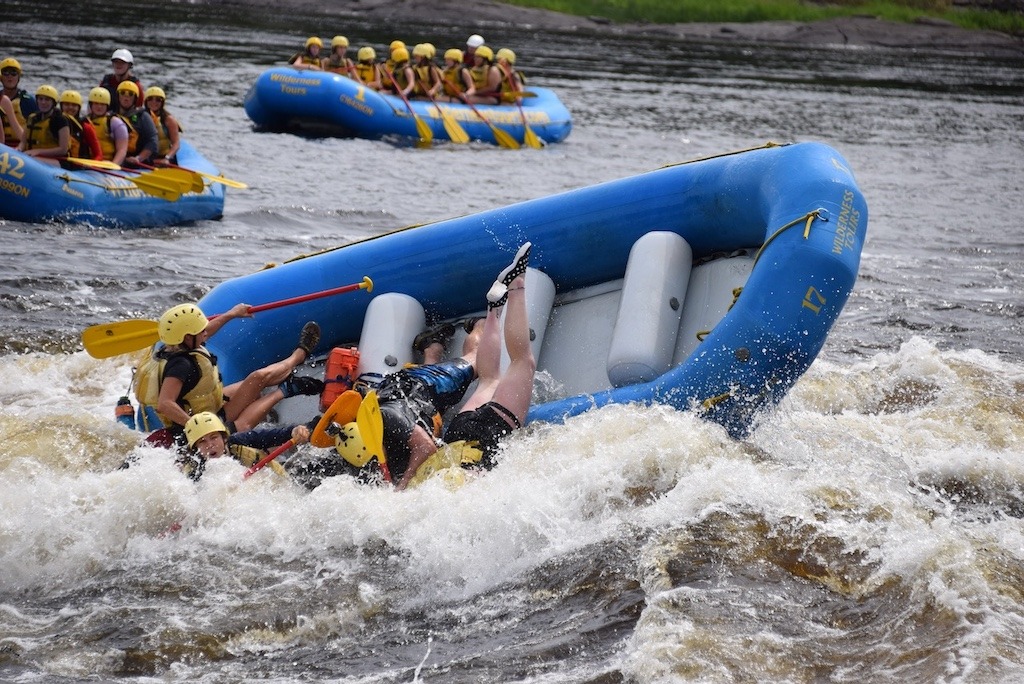
I’ve picked up reading again. Real books, physical ones. I’m regularly offered digital copies because of the work I do, and I decline every time. There’s something about the weight of a book in my hands, the fact that it isn’t a screen, that feels like a small act of resistance. It brings a calm I’d forgotten existed.
I’m in the middle of a second no-buy period and I don’t miss a thing. Turns out when you stop scrolling for products you don’t need with money you don’t have, you feel better.
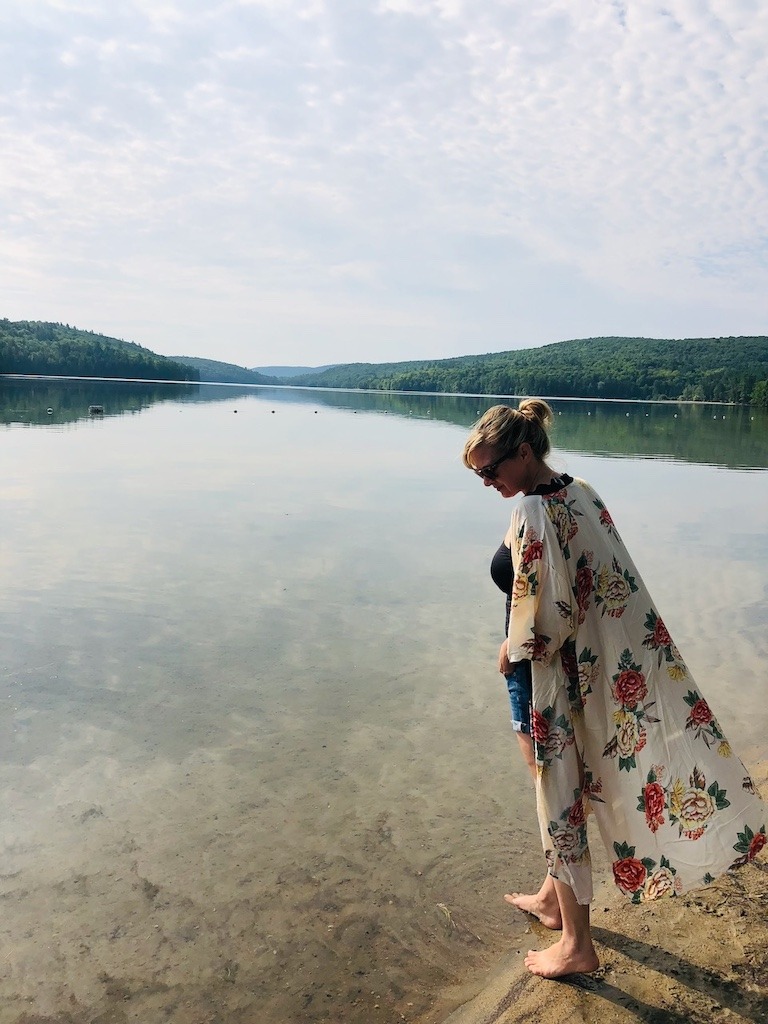
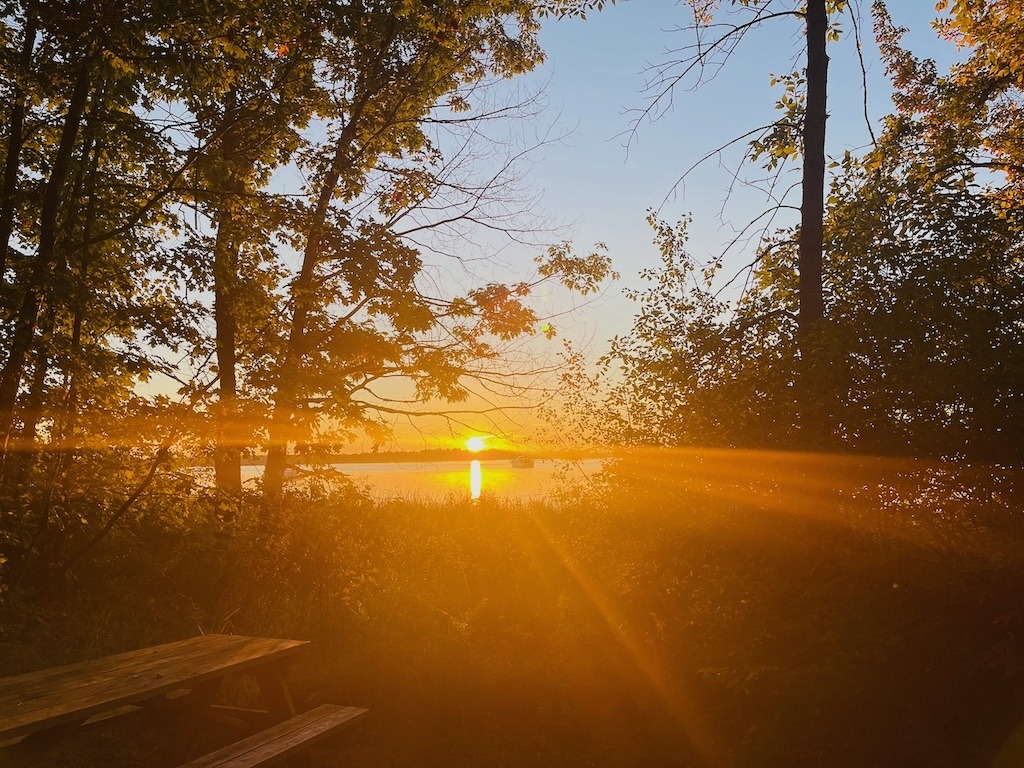
And somewhere along the way, something else shifted that I genuinely did not see coming. I find myself drawn to dark sky sanctuaries over busy city centres. My old appetite for sanitized all-inclusives has nearly evaporated, replaced by something quieter: a secluded cabin in the woods, a trail I haven’t walked, weather I can actually feel. The experience is the quest and the point.
None of this is radical. But each of these small choices is a vote for direct experience over mediated experience. For presence over performance. For the real thing.
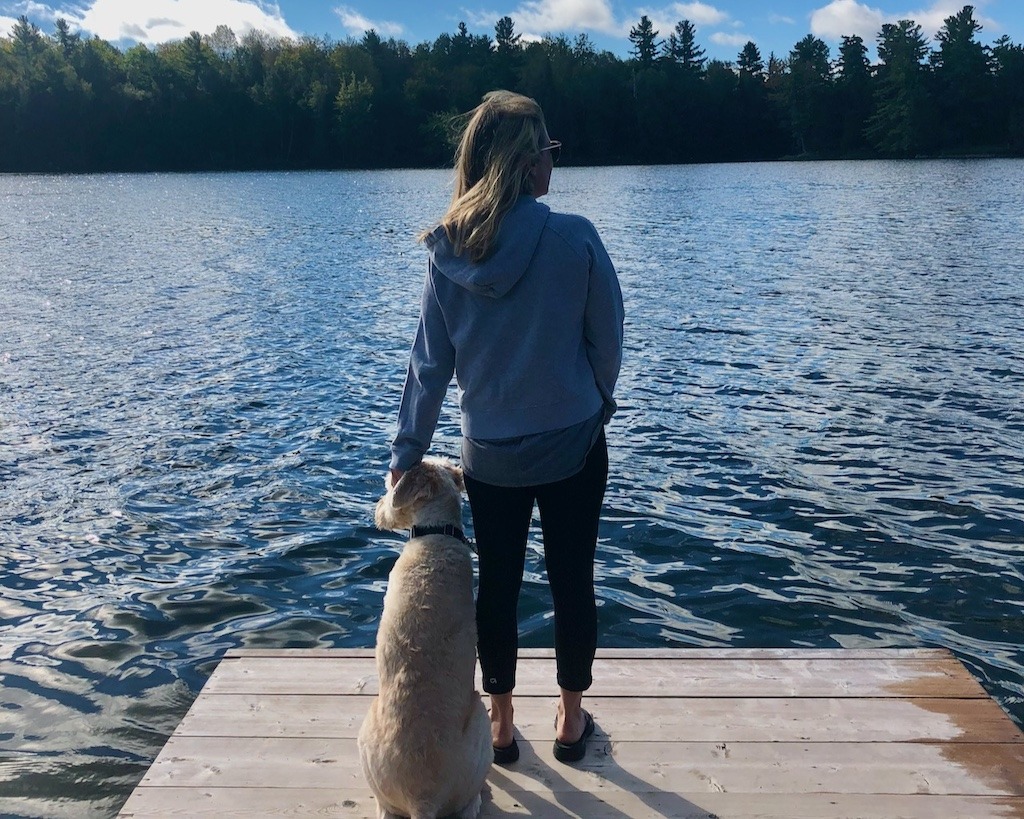
It’s part of why I started Girl Trips. After twenty years working in the digital space, watching what it’s slowly taken from us, I wanted to build something that put women back in real places with real people. Because here’s what I know for certain: in a world where we can no longer tell what’s real and what isn’t, the only way to truly know is to be there.
I think that’s the thing about extinction of experience: it creeps. It doesn’t announce itself. It takes someone naming it, shining a light on it, for you to realize what you’ve quietly been letting die. Two seconds of radio did that for me. I wasn’t even paying attention, and then suddenly I was.
A Closer Look – FAQS
The term was first introduced by entomologist and conservationist Robert Pyle in 1978, who used it to describe the growing disconnect between people and the natural world. As more of life has moved online, the concept has expanded beyond nature to include the loss of direct human interaction and real-world engagement across all areas of life.
Extinction of experience is the gradual loss of direct, real-world interaction with nature, other people, and the environments we move through, as more of life is lived through screens. As these experiences disappear, so does our connection to and care for the world around us.
Start small. Put your phone away in line at the grocery store. Take a social media break. Read a physical book. Spend time outside. The goal isn’t perfection, it’s paying attention. Every small choice to engage with the real world directly is a vote for presence over performance.
Robert Pyle’s book The Thunder Tree is where the concept originated and is worth reading. Journalist Johann Hari’s Stolen Focus is a more recent and very accessible exploration of how the digital world is eroding our attention and our lives. And if the CBC ever airs that original interview I caught part of, I’ll link it here.
 We Don’t Hibernate: Girls Gone Mild at Crystal Beach

Mary patricia Jessome
Omg candace what a read. It’s so true and honest. Social media is over rated. Back to the basics. Like human contact.
Candace Sampson
Thank you so much xo
Anonymous
Great observation. Socialization, reading and enjoying the outdoors are worthwhile endeavours. Helping others without being asked is also a great way to avoid useless scrolling.
пише
This is a good article with clear points. The site is useful and professional.